

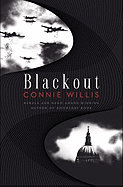
 The time-traveling historians from Willis's novella "Fire Watch" (1983) and Doomsday Book (1993) return here, but there's no need to have read the earlier tales. There's little science in this science fiction; just trust that time travel actually works as Hugo and Nebula winner Willis tells you it does. What's more important here than the time travel is the time period.
Three researchers are sent from Oxford in 2060 back to World War II London: Eileen focuses on children evacuated to the English countryside; Polly is a shopgirl in the city, observing how people behave during the Blitz; and Mike, who's supposed to study unsung heroes at Dover, ends up on a small boat in the midst of the Battle of Dunkirk, rescuing soldiers.
Willis's tale shines in her descriptions of everyday people caught up in the drama and terror of the war. From details of architecture, medical care and department store merchandise in the 1940s to the ways the Brits coped with shortages and entertained themselves in shelters during the bombings, Willis clearly has done her research and conveys all this information in a style both humorous and moving.
Willis catches you up on what you need to know as the story progresses--there are plenty of rules about time travel. One of them is that the historians can't change the past or affect the future. But when the travelers find themselves, one by one, unable to access the drop sites that allow them to return to 2060, they begin to wonder if the rules have been broken. Are they stranded? Will they find each other? Will they survive the war?
Unfortunately, readers will have to wait to find out: the final page of Blackout cuts off, midscene. Willis's All Clear will be published this fall.--Robin Lenz
Shelf Talker: A memorable depiction of World War II England that will appeal to historical novel fans as well as SF readers.