

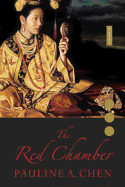
Pauline Chen's imaginative retelling of Cao Xuequin's Qing Dynasty epic The Dream of the Red Chamber examines how filial duty both binds and destroys families, serving much the same purpose for 18th-century Chinese class structure as Jane Austen's novels did for the West. Behind the refinement and opulence, women retain few choices, their utility determined by their rank and status within a family, a condition Chen communicates through her repressed and mistreated heroines and forsaken lovers.
The Red Chamber revolves around the Jia family, trusted bondsmen to the Imperial dynasty who have amassed power, prestige and wealth in Beijing. The rebellious Baoyu has lived in the shadow of his deceased and more beloved brother; when his paternal cousin Lin Daiyu arrives at the Jias' home after the death of her parents, her naiveté and outsider views both attract and change Baoyu for the better. They fall in love, but their situation is complicated by Baoyu’s betrothal to his maternal first cousin, the aristocratic but homely Xue Baochai. As they contend with the ensuing political struggles and always shifting family loyalties, each character unwittingly contributes a role to a morality play that will serve as an indictment of existing social and gender inequities.
Chen's version of The Red Chamber may not have the literary heft of Xuequin's 2,500-page epic, but her abbreviated version succeeds in reflecting the historical artifacts whose repercussions reverberate even in the present. In this, she makes the pageantry of a bygone epoch fluid and palpable for 21st-century audiences. --Nancy Powell, freelance writer