

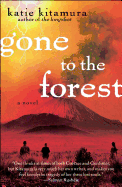
The implosion of established order on a remote plantation mirrors the collapse of colonial power in Gone to the Forest, the eerie and foreboding second novel by Katie Kitamura. Kitamura, who displayed a cool hand with a violent theme (ultimate fighting) in the critically acclaimed The Longshot, again seeks the darker corners of the human soul, using the metaphor of colonial hierarchy to show the thin veneer between society and chaos.
Set in a purposely vague country that evokes such colonial experiences as Latin America, Sri Lanka and especially Africa, Gone to the Forest is the story of meek Tom and his cruel, widowed father. Together, they run a struggling outpost farm that relies on the father's gritty determination and the exploited labor of the locals. When Carine, a rootless young woman, comes to the farm, Tom's father mates her to Tom almost like livestock. But Tom's father and Carine have secret motives and, as the rumblings of revolution around them come to a roar, the three must weigh their loyalties to a way of life and each other against outright self-preservation.
With spare and deliberate prose, Kitamura brings this fable of power's illusions to a stunning, breathtaking conclusion. Along the way--most notably with the straightforward, yet chilling depiction of Carine's victimization by local farmers--she shows why she has earned comparison to great writers like Nadine Gordimer and Herta Müller. Gone to the Forest is a beautiful, indelible depiction of the horror of primal impulses. --Cherie Ann Parker, freelance journalist and book critic