

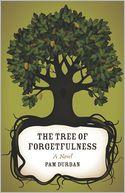
Feel-good civil rights-era fiction like The Help tends toward obvious heroes and villains; everyone wants to feel the resolution of being on the right side of history. But in Pam Durban's chilling and nuanced The Tree of Forgetfulness, no blinding light brings the hateful to account, leaving the poison of violence to foul the water for generations. Durban's precise, beautifully evocative prose builds to a brief but breathtaking meditation on the true legacy of racial violence.
Durban bases her novel on a real-life triple lynching in 1920s South Carolina, when three members of an African-American family, accused of murdering a white deputy, were pulled from jail by a mob and savagely killed. She recalls the events of the case through a cast of indelible characters that includes a local businessman whose culpability is hard to pin down, the black woman who keeps his house--and, begrudgingly, his secrets--and a world-weary reporter from the North whose contemptuous poking of the locals is akin to stirring up a nest of bees.
In an easier story, the reporter would uncover the truth, debts would be paid and wrongs, if not righted, would be at least acknowledged. But The Tree of Forgetfulness illuminates a murkier, and more authentic-feeling, truth. Late in the story, when an aging white matron comes to her black housekeeper's funeral wrongly assuming the affection she felt for her employee was returned, the piercing internal dialogues of Durban's characters hauntingly illustrate the undying mistrust that grew out of the bloody Southern soil. --Cherie Ann Parker, freelance journalist and book critic