

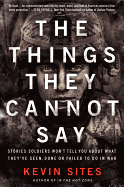
The prevalence of suicide and post-traumatic stress disorder among Iraq and Afghanistan war veterans is alarming for the United States and devastating for the vets and their families. Kevin Sites, a 10-year veteran of combat journalism, sought out a dozen such vets to tell their stories. In his introduction to The Things They Cannot Say, Sites confesses that he collected these soldiers' thoughts both to understand their plight and as an attempt to deal with his own PTSD: the atrocities he witnessed as an embedded journalist affected him as severely as they did the soldiers around him. "In war," he learned, "there are no sidelines on which to sit."
A soldier's return from war to civilian life has always been a difficult process. The soldiers in Sites's interviews come from a variety of backgrounds, but they all return from the front with troubling memories and are dissociated from their families. Often, they succumb to prescribed drugs supplemented by street drugs and alcohol. Many eventually overcome this doomed cycle, but many don't. Sites finds that the consistent factor among those who do recover is learning to talk about their war experiences. One of his many sources, psychiatrist Jonathan Shay, best summarizes Sites's message: "When you put a gun in some kid's hands and send him off to war," Shay says, "you incur an infinite debt to him for what he has done to his soul." --Bruce Jacobs, founding partner, Watermark Books & Cafe, Wichita, Kan.