

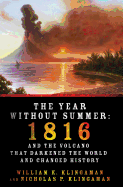
Historian William K. Klingaman and his son, meteorologist Nicholas P. Klingaman, combine forces in The Year Without Summer, weaving together modern scientific explanations and 19th-century speculations into a compelling historical account of what happens when weather goes wrong.
The book begins with the volcanic eruption of Mount Tambora in the Indonesia archipelago on April 5, 1815, and the immediate impact on the surrounding region. But that eruption is only the background to the disruption of weather that followed: more than 12 months of heavy rains in Europe, drought in North America and unseasonable cold everywhere. The Klingamans follow the extreme weather and its consequences month by month, drawing on reports from witnesses such as Jane Austen and Thomas Jefferson, as well as newspaper accounts, sermons and government reports. They describe the cumulative impact of failed harvests, failed relief efforts and apocalyptic fears. Perhaps most importantly, they draw connections between the weather and historical events that are seldom considered as part of the same story: the outbreak of religious revivalism in New York State known as the Second Great Awakening, the westward expansion of the U.S., political battles over the Corn Laws in England, growing unrest in post-Napoleonic France--even the creation of Mary Shelley's Frankenstein.
The Year Without Summer is a fascinating blend of science and story, particularly relevant in the current era of climate change. --Pamela Toler, blogging at History in the Margins