

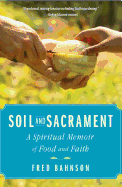
Alongside the burgeoning local food movement in the U.S. is a smaller, related initiative led by faith-based agrarian groups whose connection to the land is intertwined with their beliefs. Fred Bahnson, the director of Wake Forest University's Food, Faith, and Religious Leadership Initiative, visits several of these faith-based food communities while recounting his own journey back to the land.
Bahnson times his visits to coincide with religious seasons and festivals, spending Advent cultivating mushrooms with monks in South Carolina and partaking in a joyous Sukkot celebration at a Jewish organic farm in Connecticut. Woven throughout are anecdotes from Bahnson's time directing the Anathoth Community Garden, Cedar Grove, N.C., whose existence raised not only spiritual but social issues for the racially divided community it serves.
Bahnson's strength is social observation: his portraits of people and places are deft and insightful, while the book's personal sections can feel self-indulgent and rambling. But he captures the diversity of the faith-based food movement, which involves prisoners, professors, undocumented workers and farmers who have made the land their life's work. Texts and precepts from Judaism, Buddhism and Bahnson's own Christian faith further explore the deep ties between caring for the land and caring for one's neighbor. "Our yearning for real food is inextricably bound up in our spiritual desire to be fed," he notes. For Bahnson, planting, praying and providing food for hungry people are all important--and intertwined--ways to make a difference in the world. --Katie Noah Gibson, blogger at Cakes, Tea and Dreams