

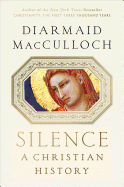
Diarmaid MacCulloch, a professor of church history at Oxford, has produced a multifaceted meditation in Silence--considering how silence enhanced and made worship possible, as well as how it has helped allow those in power avoid penance for their crimes, from the time before Christ to today.
He cites examples of the monastic tradition in Western Europe, where the use of silence as a ritual tool reinvigorated the church, and recalls cases where silence was considered shameful--in the face of abuse or questionable consolidations of power that a true Christian conscience, aligned with the gospels, should have roared about. There are also subtler concepts of silence on display here, such as instances in which "silence meant survival," from oppressed Catholics in Elizabethan-era England to homosexuals throughout history. MacCulloch has a keen discernment of the tension between the monastic (interior and silent) and the bureaucratic (exterior and vocally demonstrative) and the correlative tension between silent, sole worship and the needful public displays of corporate faith. He rightly takes the Catholic Church to task for its silence on slavery and the gutlessly circumspect response to the Holocaust, and deftly looks at the cover-up of child abusing priests in relation to celibacy and the expression of sexuality.
MacCulloch's Silence is intimate and sometimes moving, but also a deeply scholarly and intellectually invigorating book. He shows with great lucidity and compassion how a single concept has renewed faith and brought it to its greatest heights, but has also been party to Christianity's most fumbling missteps. --Donald Powell, freelance writer