

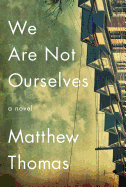
In Act 2 of King Lear, the king describes how infirmity affects all of us, high and low: "We are not ourselves/ When nature, being oppress'd, commands the mind/ To suffer with the body." This is one of the epigraphs Matthew Thomas chooses to set the stage for his magnificent first novel, We Are Not Ourselves. What can mental illness do to a person? How do others deal with it? These important questions circle around this masterful portrait of a mother and wife, Eileen, in all her strengths and weaknesses.
Eileen Tumulty, an Irish-American New Yorker born in 1941, lives with her parents in a cramped Queens apartment. When she's old enough, Eileen goes to nursing school and begins to look forward "to the day when she would take another man's name." She aspires to a bigger world than she's in, and a husband could provide the means. By 1967, she marries Ed Leary, a brilliant neuroscience researcher, and they have a son. Instead of climbing the ladder, Ed repeatedly declines career-advancing opportunities to teach science in the college classroom. Eileen is infuriated--this wasn't part of her plan.
By the time Ed is 50, he starts to lose interest in teaching; he seems confused. Ed says he's just tired, but Eileen thinks Ed is depressed. Readers will see the telltale signs of Ed's descent into darkness, and its poignant effect on him and the family. Watching what they go through emotionally is almost too hard to bear, but Thomas presents it beautifully, filling tragedy with love and affection. Without a doubt, this expansive, heartfelt novel provides a fulfilling and rewarding experience. --Tom Lavoie