

"The first week of August hangs at the very top of summer, the top of the live-long year, like the highest seat of a Ferris wheel when it pauses in its turning." This image opens Tuck Everlasting, Natalie Babbitt's novel about the inexorable advancement of time. For many young people, Tuck Everlasting is the first book that ever made them think about what it would mean to live forever.
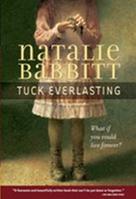 What are the tradeoffs of immortality? How many people whom you love would you outlive? What would it be like to "stay seventeen till the end of the world," as Jesse Tuck does? For the 40th anniversary of the publication of Tuck Everlasting, Farrar, Straus & Giroux created a special edition that closes with an interview with Natalie Babbitt. "The question of what it might be like to live forever is something that everyone thinks about," she says. "And I think you think about it more when you find out you can't do it." Babbitt explains that she created the four Tuck family members "specifically to talk about different points of view of living forever." She makes us think about what is precious, and what is made more so because we know it cannot last.
Gregory Maguire wrote a terrific introduction for this special edition, offering many wonderful observations. Perhaps the best is, "even though when I meet Winnie Foster again standing in her front yard, I know exactly what she will do later in the book.... what I don't know is what it will mean to me now." That is why we reread. We grow older, and the book, like the Tucks, does not change. Yet we change, and the view from the top of the Ferris wheel seems different somehow. That is the gift of Tuck Everlasting. --Jennifer M. Brown, children's editor, Shelf Awareness