

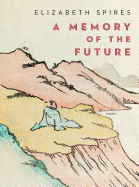
What do our memories really mean? By reflecting on our past, how do we affect our present and future? These are some of the philosophical themes Elizabeth Spires (Worldling) broaches in her seventh collection of poetry, A Memory of the Future.
The influence of Japanese culture is evident throughout the meditative and spiritual collection in its methodology and topics--a squat bottle of sake, a wooden shrine or a historic statue brought from Japan after the attack on Hiroshima. Spires ponders the natural world of pomes, clouds and their hidden meanings and the sound of the sea in a shell. She reflects on the accidental death of a child, the sorrow one experiences as a child grows older and the incessant demands of cell phones. Written in a variety of poetic and visual styles, each piece is a lesson in zen, a way of being one in body and mind.
Spires considers the shape of an inky brushstroke on the page and the warm light of a March day. Each poem calls the reader to pause and contemplate the connection of the words on the page with the imagery that leaps to mind: "everything ravaged, burned, cracking in a godless desert heat"; "the white peacock spread its rippling tail, the sound/ like a sibilant wind rushing through many leaves." Quiet and forceful, Spires has taken random moments and created a book full of memories through her words, altering the future for those fortunate enough to read her work. --Lee E. Cart, freelance writer and book reviewer