

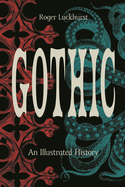
In his approachable and haunting Gothic: An Illustrated History, Roger Luckhurst, a professor of modern literature at University of London, presents the uncanny, unsettling and surprisingly political nature of the gothic aesthetic.
Luckhurst divides the book into four broad sections: "Architecture & Form," "The Lie of the Land," "The Gothic Compass" and "Monsters." It's a compelling structural choice, as readers are prompted to consider the gothic in a variety of contexts and settings instead of in a chronological sense. Though he covers what many readily associate with the word gothic--literature and cathedrals--Luckhurst's survey spans the globe and three centuries, exploring subjects including ruins, colonialism and tentacles.
As the author details each aspect of the gothic, he juxtaposes contemporary photos with historical imagery, adeptly connecting modern expressions of the gothic to buildings, literature and sensibilities of the past. When discussing the role of ruins in the gothic, for example, he includes images of ruins intentionally constructed by the super-wealthy in the early 1700s and contemporary "ruins porn"--images of buildings and spaces in cities like Detroit falling into disrepair.
When it comes to the lasting appeal of the gothic, Luckhurst takes a global view, connecting the gothic to prejudice throughout, reminiscent of Lovecraft Country or The Wicker Man. Monsters and haunted houses are still an immensely popular way to explore fear, especially fear of the Other, and the author gives readers a lot to think about when it comes to what they fear and why they choose to experience the gothic after all this time. --Suzanne Krohn, editor, Love in Panels