

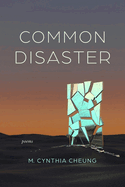
M. Cynthia Cheung is both a physician and a poet. Her debut collection, Common Disaster, is a lucid reckoning with everything that could and does go wrong, globally and individually.
Intimate, often firsthand knowledge of human tragedies infuses the verse with melancholy honesty. "We all endure our personal/ disasters," Cheung affirms. Her struggles include the death of her grandmother, also a physician; pregnancy loss; and sandwich-generation concerns for her daughters and ailing mother. She broods on Covid-era failures, too: "I am the doctor who couldn't/ save you."
At the same time, existential threats--war, climate breakdown--are mounting. Recurring references to Chernobyl warn of the cataclysm of nuclear warfare. Scientific vocabulary abounds here, with history providing perspective on current events. Extinction can be gradual or sudden, as with the Chicxulub asteroid, believed to have killed the dinosaurs. Surgeons once practiced transplantation on animals (in "Two-Headed Dog"), and trepanning was an early treatment for depression ("People once drilled holes/ into other people's skulls, just to let/ that darkness out"). Given the pitilessness of nature and militaristic humans, the speaker argues, it is no longer possible to believe in God; "our universe is built like a bomb./ Surely no one still thinks God is listening." Cheung suggests that poetry might now fill the role that religion once played.
Ghazals with repeating end words (including "God," "nowhere," and "exile") reinforce the collection's themes, while "Grotto," an intriguing outlier, employs fairytale allusions, alliteration, and slant rhymes. These remarkable poems gild adversity with compassion and model vigilance during uncertainty. --Rebecca Foster, freelance reviewer, proofreader, and blogger at Bookish Beck