

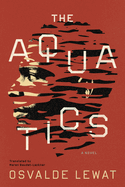
Peabody Award-winning Cameroonian documentary filmmaker Osvalde Lewat's dynamic debut novel, The Aquatics, translated from the French by Maren Baudet-Lackner, tackles disturbing subjects in its excoriating focus on grief, friendship, injustice, and government-endorsed homophobia in the fictional African nation of Zambuena. All four themes hinder 33-year-old narrator Katmé Abbia.
An unsettling prologue establishes the triggering plot point: Katmé buries her mother in a fumbled funeral. Twenty years later, the body must be exhumed and reburied to make way for a new highway. At the same time, Katmé's high school friend, Samuel "Samy" Pankeu, an activist sculptor, is arrested while putting on a significant solo show. His Ante Mortem exhibit includes a series of photographs called The Aquatics, which depict "terrified faces emerging from wastewater and flooding, ID cards floating, women hoisting babies, lamps, or suitcases overhead, the swollen face of a drowned man."
In Zambuena, it's not illegal to express disagreement with rulers but it is a criminal offense to be gay. After a newspaper outs Samy, he is imprisoned and suffers horrifically brutal attacks. Katmé enlists her abusive, serial adulterer husband, Tashun, to intervene. It gets complicated because Tashun is a prefect running for governor.
The tense novel plays out Katmé's "corset of indecision and fear" as she struggles with split loyalties and tests Samy's cautious proviso that "one should only ask from a friend what he is capable of." Lewat's brisk, crisp, straightforward prose elevates the gut-wrenching material of The Aquatics into a compulsive read. --Robert Allen Papinchak, freelance book critic