

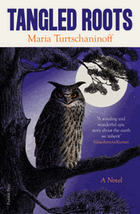
Part generational epic, part linked story collection, and part fairy tale, Tangled Roots by Maria Turtschaninoff, translated from the Swedish by Annie Prime, brings the history of a place to life. In the 17th century, a soldier is given land in the forests of Ostrobothnia, and Nevabacka Farm is born. There, generations of descendants work the land alongside the magical forest folk.
Each chapter connects the characters to the family tree, carrying the narrative thread forward. Young Ingrid mentions that her great-grandpa Anders used to hunt reindeer, but she has her own story as she plays in the woods with a mysterious "forest sister." Each character lives briefly on the page, but the forest endures and will long outlive them.
The story traverses the difficult realities of war and famine while also establishing a landscape of enchantment and wonder. In the 18th century, a chaplain torn between Christianity and the forest magic hides in the marsh from Russian invaders. In the 19th century, a young boy escapes family strife by exploring the woods and watching cranes dance on the lake. Turtschaninoff brings lush detail to bear, like the color of ripe cloudberries and the sound of rustling fir trees. She builds a verdant and fantastical world that readers can disappear into.
Written in varied forms including epistles and verse, Tangled Roots is a century-spanning collection that broadens readers' views to understand the deep connection between this landscape and the people who've made their home in it. As the daughter who appears in the first chapter learns, "There is something in the earth here/ that knows you." --Carol Caley, writer