

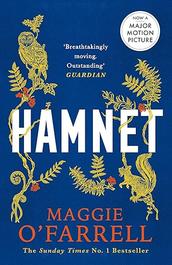
 Perhaps nobody loves book-to-screen adaptations as much as publishers. Yesterday, at the London Book Fair, the Publishers Association released a new report, Books on Screen: Book Adaptations' Importance to the U.K.'s Creative Industries and Reading For Enjoyment, which showed the positive impact of adaptations for both the screen and book industries. Among the highlights:
- 48% of original U.K. and U.S. drama series on Disney+, Netflix, and Amazon Prime Video between January 2024 and June 2025 were adapted from books.
- Five of the top 10 most-viewed, first-run, TV dramas for 2024 were adapted from books.
- Book adaptions had 57% higher box office revenue than non-adaptations for the top 50 grossing titles from 2020-2024.
- The last six BAFTA Best Film winners have all been book adaptations.
- In the 12 months ending October 2025, 12% of adult fiction purchases made by those who only read books occasionally were discovered by or chosen because of adaptations.
There are many, many books in my house and just one television. I read; I watch. Sometimes I watch books I've read and sometimes I watch books I haven't read. If you pay attention and know where to look, the ongoing evolution of quality film and long-form TV book-to-screen adaptations is one of life's more-than-little pleasures.
As it happens, my editorial responsibilities at Shelf Awareness include checking out "the trades" (Variety, Deadline, the Hollywood Reporter, the Wrap, IndieWire, the Film Stage, etc.) and monitoring social media. I probably think more about adaptation news than is healthy, but the side effects have been minimal... I think.
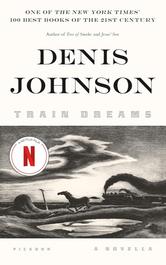 Our old friend Oscar is a serious book lover, as this Sunday's Academy Awards ceremony will show once again, with nominees including One Battle After Another, loosely based on Thomas Pynchon's novel Vineland; Frankenstein, inspired by Mary Shelley's classic novel; Hamnet, adapted from Maggie O'Farrell's novel; Train Dreams, based on Denis Johnson's novella; Little Amélie or the Character of Rain, based on Amélie Nothomb's The Character of Rain; The Lost Bus, based on the book Paradise by Lizzie Johnson, and more.
Many readers who love books can be a little touchy about screen adaptations, subscribing to a classic mantra ("the book was better"), with the recent release of Wuthering Heights serving as Exhibit A for that particular theory of action/reaction.
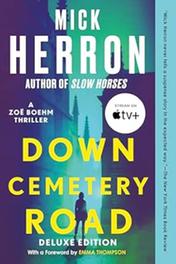 I don't need a screen adaptation to be "faithful" to the book, which may be an advantage. I just see the two art forms as related--second cousins, maybe third--and try to approach each as its own creation. My current TV adaptation favorites are all Apple TV series, based on the novels Down Cemetery Road by Mick Herron, and Rufi Thorpe's Margo's Got Money Troubles (premiering April 15; I watched a screener for that one). Also a special mention for the amazing Drops of God (now in season 2), based on the manga series by Tadashi Agi, illustrated by Shu Okimoto.
The standards of lifelong readers aren't always the point, however, as the PA's new report notes: "This year we are celebrating the National Year of Reading where we're encouraged to Go All In and explore our passions through reading. Adaptations can work to drive interest in reading, to facilitate families with lower reading confidence to read together, and to deepen engagement in reading.
"Children's enjoyment of reading is at an all-time low, according to the National Literacy Trust's 2025 Annual Literacy Survey. However, this survey also found that children and young people who did not enjoy reading were most motivated to read material about their favorite film or TV series that matched their interests or hobbies. Film adaptations allow reading to be positioned as a way to spend more time with a story, character, or universe that a reader already enjoys."
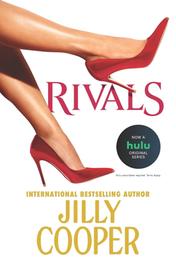 PA CEO Dan Conway observed: "Already this year we've seen adaptations drive book sales and cultural conversation. In the National Year of Reading, we're encouraging people to read what they love and find fun. Whether that's Wuthering Heights, Rivals or a biography of your favorite sportsperson. As this report shows, the relationship between publishing and the screen industries is mutually beneficial but more importantly, can bring new people to discover a love of reading."
Jason Vit, assistant director of place-based working, National Literacy Trust, added that in the NLT's most recent survey of children and young people (8-18 years old), "among those who only enjoyed reading a bit or not at all, the most common motivators were books linked to films or TV series and content aligned with their interests, with around a third of these children and young people saying such factors might encourage them to read.
"If you've seen the movie, you have contextual knowledge. You gain an idea of the story that you are immersed in. For example, you know how to pronounce the names you're reading and the terminology of the universe. For somebody who doesn't have great reading skills, there is a huge confidence boost by understanding this context first. We see the impact of this all the time in the work we do."
Read and watch, my friends. It can't hurt anyone.
"The two industries are truly symbiotic--so many of the most beloved TV series out of the U.K. in the last decade have come from extraordinary novels," said Alice Pearse, Netflix manager, U.K. scripted series. "We are lucky to have such a glut of amazing novelists and screenwriters in the U.K.--long may the collaborations continue!"