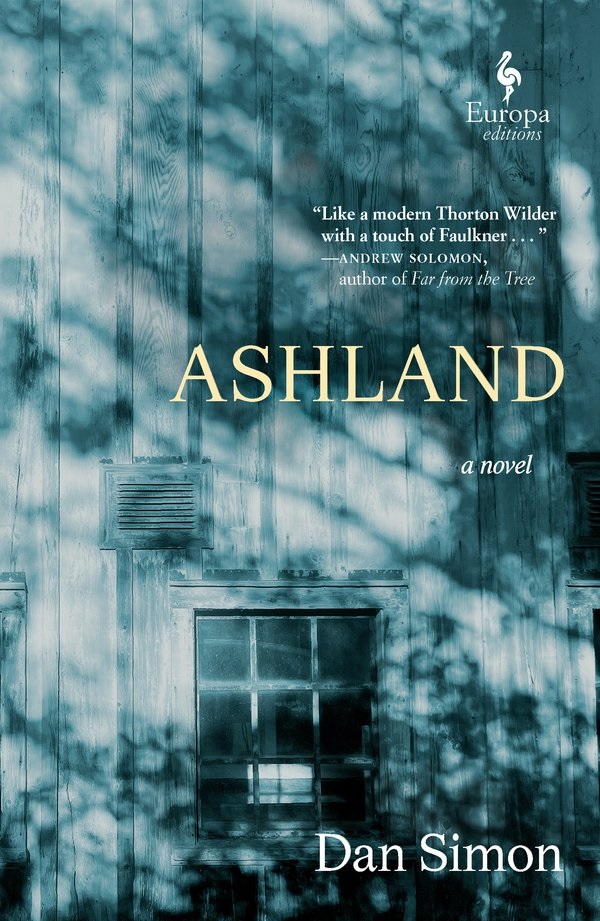
 Today is the pub date for Ashland, the debut novel by Dan Simon, founder and editor-in-chief of Seven Stories Press. An Indie Next pick and published by Europa Editions, Ashland is a lyrical, subtle, engaging tale set in Ashland, New Hampshire, a classic northern New England mill town. It's on the edge of the scenic White Mountains and attracts many visitors, but for many longtime residents, adapting to the closing of the mills and the end of traditional farming and lumbering has been a struggle.
For Dan Simon, who's been coming to the area his entire life, it's a magical, beautiful place that is sometimes harsh and unforgiving--all qualities he captures in Ashland. The book's characters reflect the people who live in and visit Ashland, from the descendants of mill and lumber workers and farmers to summer people and transplants, mainly from Massachusetts and New York.
On the surface, the main characters in the novel lead fraught lives. Marriages don't last. Women raise children without fathers present. Jobs don't have much of a future. Life seems a matter of survival. But there's much under that surface.
The main character is Carolyn, a girl whose relationship with her mother is "the book's spine," as Simon put it. Carolyn loves to write, and takes writing classes at nearby Plymouth State College. At a critical moment in her life, she goes to meet her father for the first time.
There are five other main characters, including family and friends, who each have their own stories and constitute a community for Carolyn. Set mostly in the early 1990s, the characters' stories intertwine. The book is slowly revelatory, with continual moments of inspiration and knowledge found in nature, in people's comments, in the small moments of daily life. The narrative has gentle waves and currents, and the action feels cyclical, although slowly, steadily hopeful. Carolyn's writing helps her understand her life and the challenges she faces.
As her writing teacher, a transplant to New Hampshire, says about Carolyn in the book: "I don't really crit her efforts. She knows what she's doing. There's no goal or intention that I can discern, no ambition either. She just writes. That's all she does. Not to make anything better by it. Just to keep a record of what is seen and done, both the parts she understands and the parts she doesn't. To me, she's a miracle as a writer. And my role as her writing teacher, most of the time, is just to read, to bear witness in that way to the record she keeps of the things that happen to her."
 |
| Dan Simon (photo: Miriam Berkley) |
Simon described the prose as "all direct speech, talking plainly," with metaphors that "creep in but don't stand out. The book asks to be read immersively."
About the people some call "locals," Simon said, "I'm not from here, but I know them. I'm someone with a little bit of an outside view and perspective, which adds something. I see them with love, with clarity."
We met Dan Simon recently on a snowy day, in a classic New Hampshire diner, offering basic breakfast fare at reasonable prices, a warm, busy oasis from the cold outside. It was an ideal setting to talk about our mutual love for the state.
Simon noted that over a long period, the traditional pursuits of farming and lumbering and millwork collapsed in New Hampshire. "Farms were sold off piece by piece," he said. "The mills closed. If you were a young person of the middle class, you moved away." But in recent years, he's seen a kind of revival. "People in New Hampshire know who they are," he said. As shown in the presidential primaries, residents "judge people by who they are, if they're honest and have integrity. It's what we need right now." And a key barometer of the health of the state: "Younger people want to stay." Not only that, but New Hampshire continues to attract people from what some call "south of the [New Hampshire] border." Noting that he spends much of the year in New Hampshire, Simon said, "I'll live here the rest of my life."
The Granite State has been "very meaningful to writers," he observed. Many of the best known have been from elsewhere, like Robert Frost or Maxine Kumin, or from elsewhere and eventually moved on, like May Sarton. For Simon, New Hampshire's history is untapped compared to other states. As the writing teacher in Ashland observes, "This is a state with a tough and generous beauty in the soil and in the character of the people too, and nowhere is that written down."
Ashland is Simon's first novel, but is not his first effort writing. As he put it, "In my adult life, there has only been the rare day when I have not written work of the imagination in the early mornings." His early morning work consisted at first of plays and then fiction. He began Ashland--"trying to find the right way to tell the story"--about 25 years ago, but dropped the project for a few years. At the end of 2023, "I threw the whole thing out and rewrote it in a burst that lasted for three months, and at the end of that time I felt it was exactly as it should be. The story was still entirely there, but I had thrown out the narration entirely. It was still a novel, but in a kind of timeless present."
His writing has continued, he said, and only a month ago, he completed another book, "related to Ashland," that is under consideration. We hope it's well considered.
Before departing for our own cozy homes, Dan Simon and I walked from the diner out onto a nearby bridge next to Plymouth spanning the Pemigewasset River, a bridge that figures at the end of the novel. In the book, on a warm day, Carolyn describes the river as "shorn and white and sandy broad and turbulent and very light-filled. It reminds me of a tin cup being shaken, heaped with silver and copper coins, the light falling differently on the hand than on the cup, bleaching the battered cup, yellowing the hand." This gray day snow covered the ground and the river was iced-over; the landscape seem lifeless. Simon read aloud the last few paragraphs of the novel, including the excerpt above, and suddenly it was possible to see texture in the clouds, fascinating shapes in leafless tree branches, and a sense of the current flowing steadily and turbulently under the ice, making for a most lovely way to end the conversation. --John Mutter







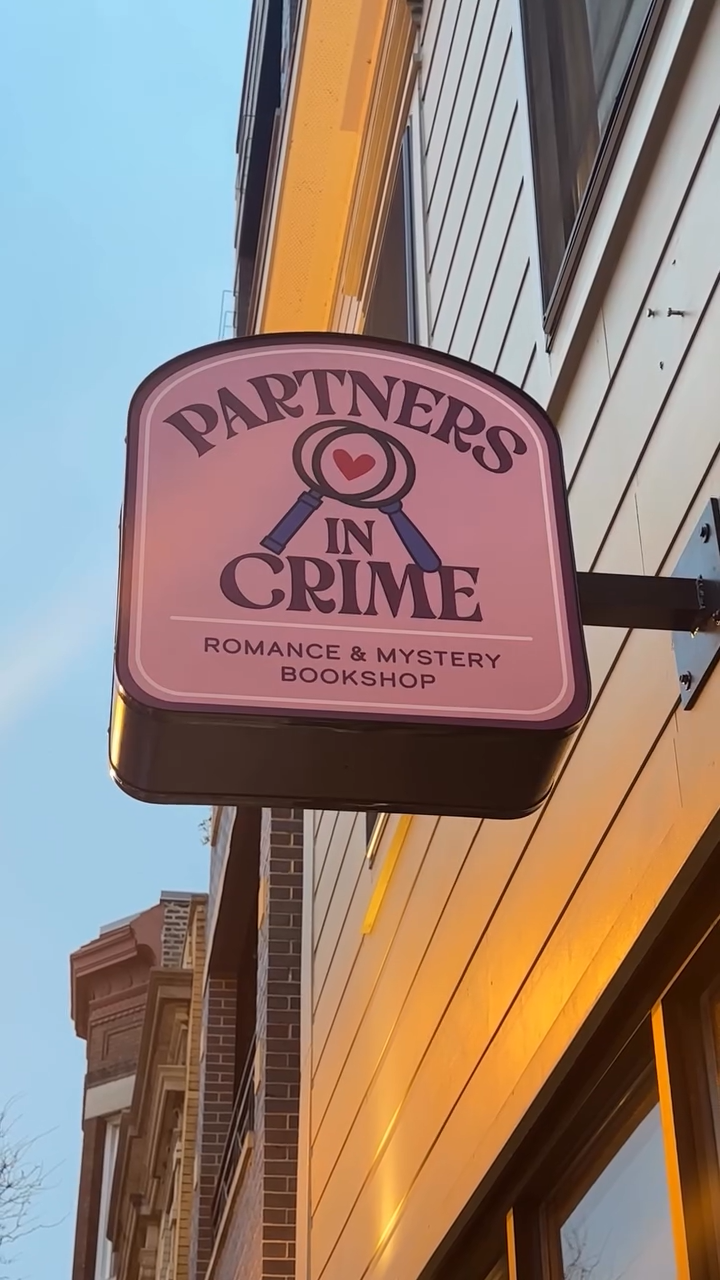 Located at 4105 N. Lincoln Ave. in Chicago's North Center neighborhood, Partners in Crime features romance novels on one side of the bookstore and mystery/thriller novels on the other. Independent authors are emphasized, and there is also a selection of middle grade books. A fireplace and seating is in the back of the store, along with a mural by a local artist.

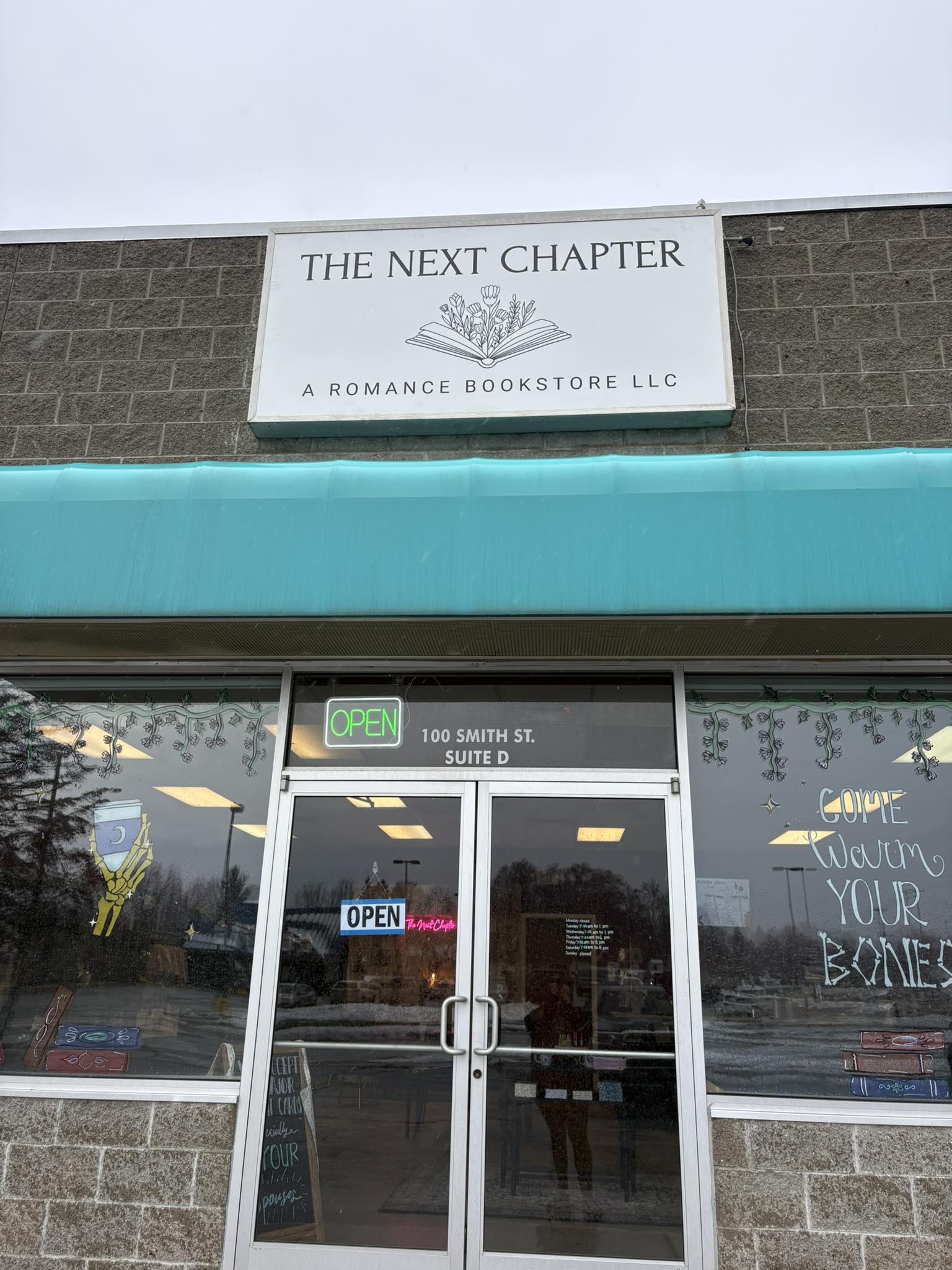 The Next Chapter, A Romance Bookstore
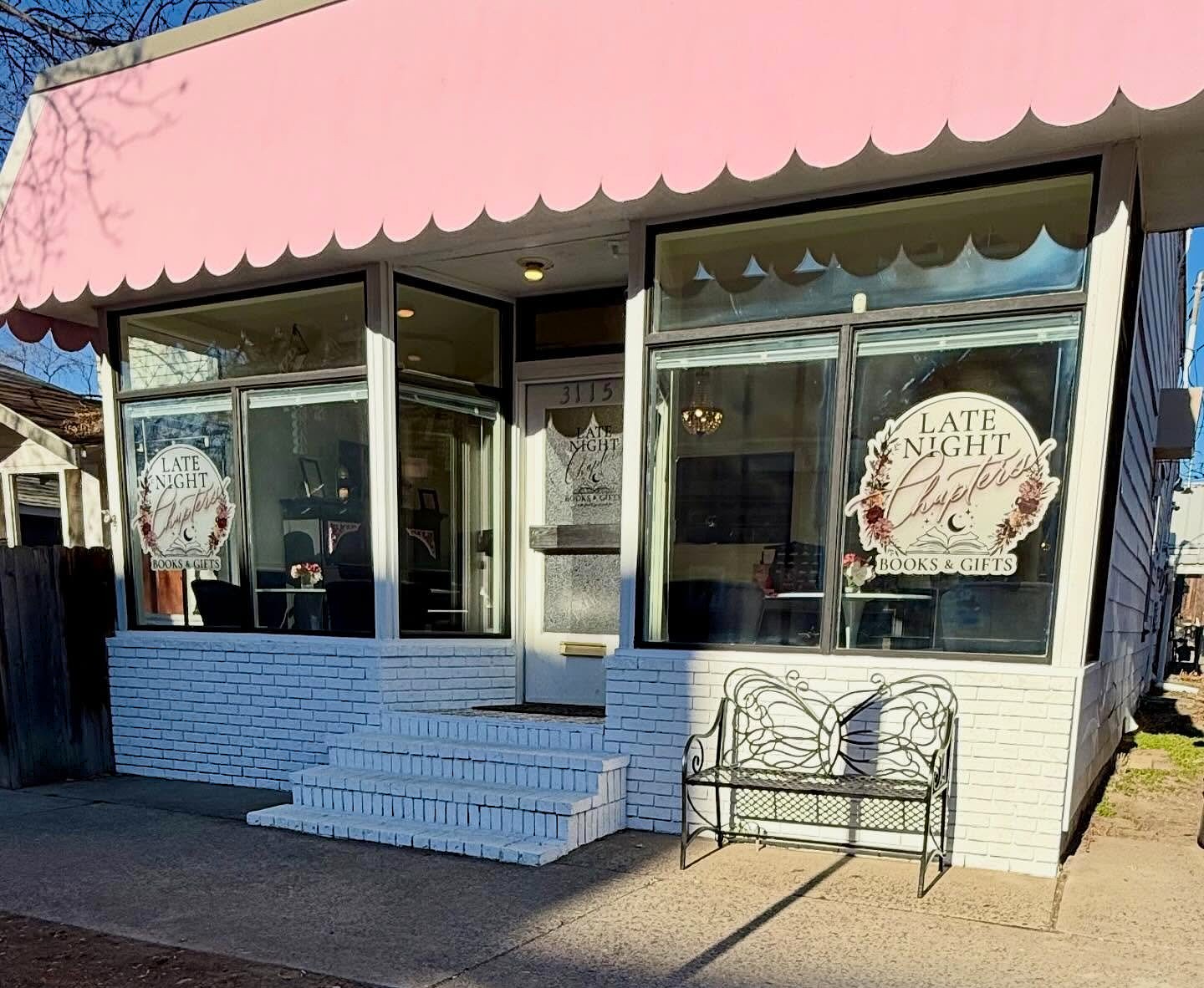 A romantasy-focused bookstore called
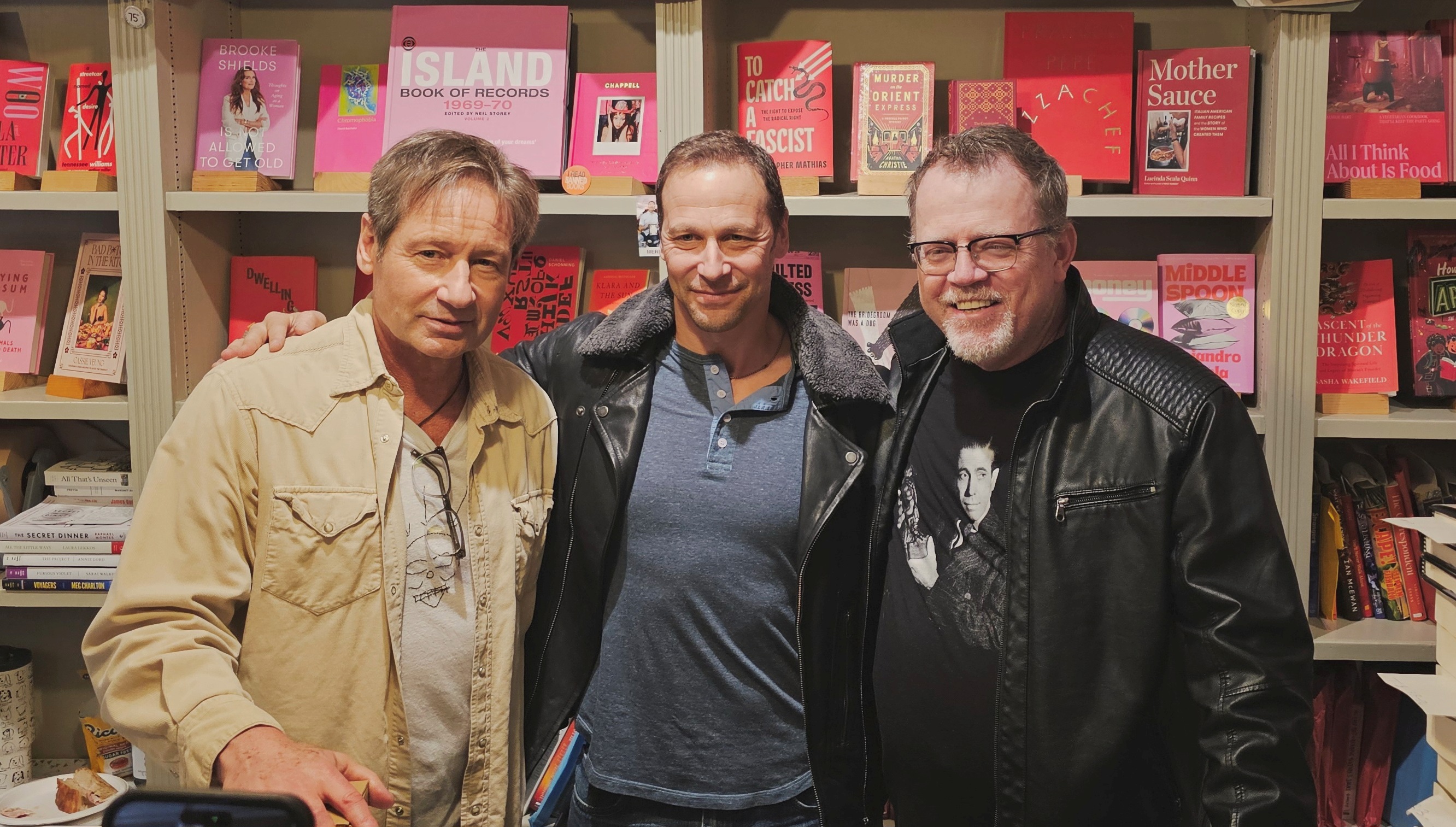 Diesel, a bookstore
 "What a magical, happy day!"
 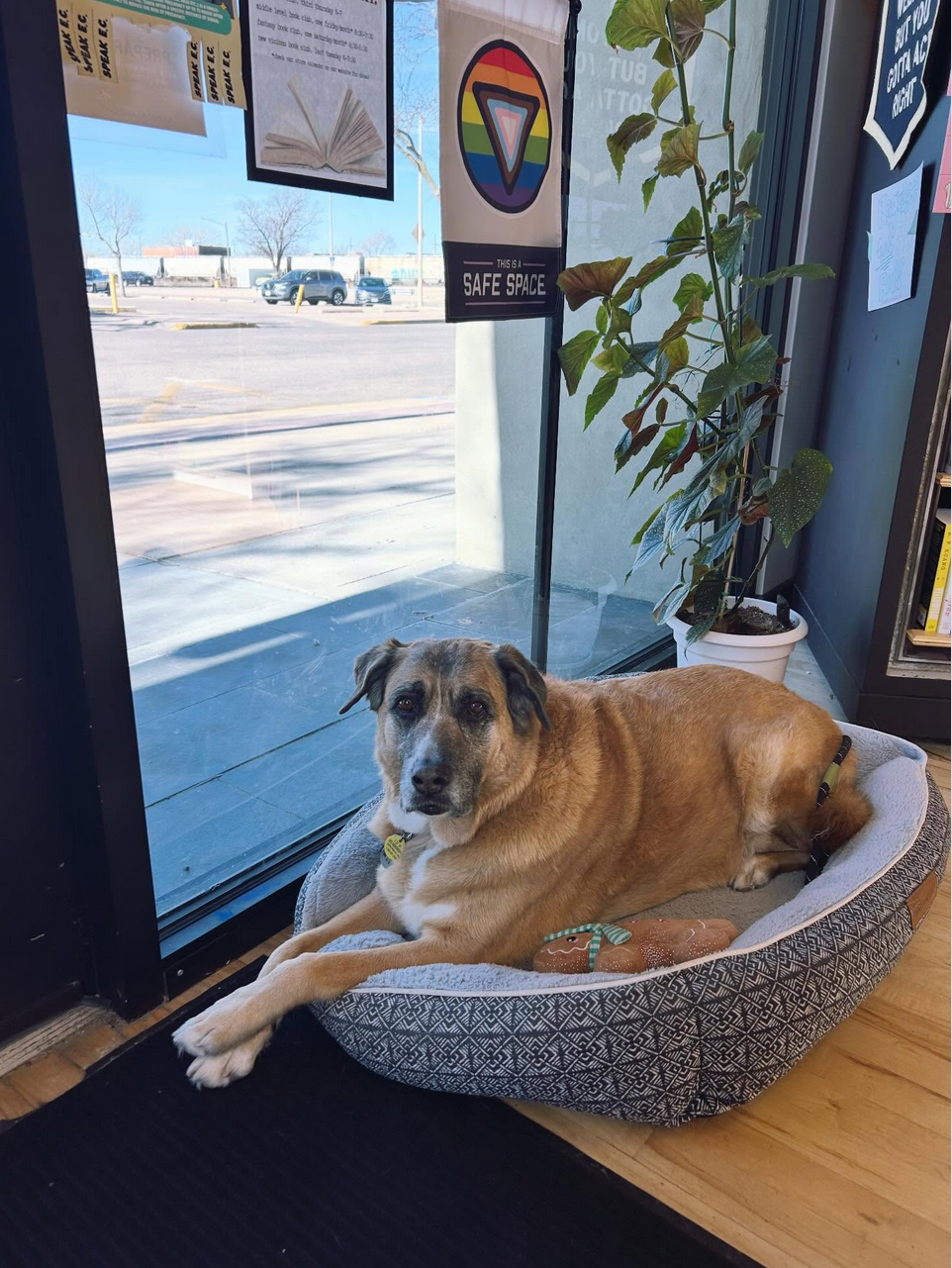 Posted on Instagram by
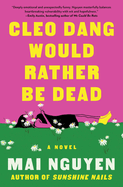
 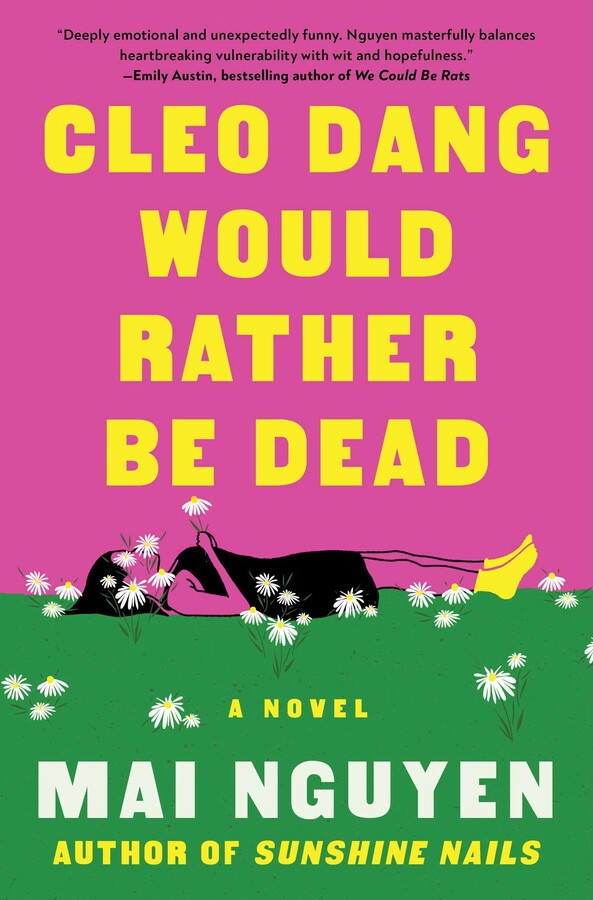 Mai Nguyen's morbidly funny sophomore novel, Cleo Dang Would Rather Be Dead, explores the raw depths of grief as the title character flounders after her infant daughter's death. Devastated and on leave from her job as an actuary, Cleo takes a job at the funeral home that hosted her daughter Daisy's service. As she drags herself through each day, she encounters not only death, but life--in all its mundanity, frustration, and joy.