




PRH Two-Day Holiday Transit Plan for Indies Returns

Penguin Random House's 15th annual two-day holiday transit program for independent bookstores begins Monday, October 26, and will run through January 11, 2027.
The initiative, a cornerstone of the company's support for independent booksellers during the all-important fourth quarter, will continue to feature the popular "no minimums" requirement. Booksellers can submit orders in any quantity, on their schedule, without having to build up to a minimum-retail-value threshold.
The program encompasses all frontlist and backlist physical-format titles from the imprints of Crown, Knopf Doubleday, Penguin, and Random House publishing groups; Random House Children's Books; Penguin Young Readers; Penguin Random House Audio; and DK Publishing, as well as titles from the many Penguin Random House Publisher Services clients.
Penguin Random House will expedite the shipping of indie bookstore orders from its distribution and fulfillment centers in Westminster, Md., Crawfordsville, Ind., and Reno, Nev., to ensure delivery "from our dock to the bookseller's door" to arrive within two days, weather and transport conditions permitting. Distribution centers will continue to operate weekend shifts to help handle increased holiday demand.
"Indie booksellers continue to tell us how important this program is to their holiday business, and that speedy transit can be a lifesaver at this crucial time of year," said Jaci Updike, chief revenue officer, Penguin Random House U.S. "We are so happy to see indie bookstores thriving, and are looking forward to a strong holiday season."



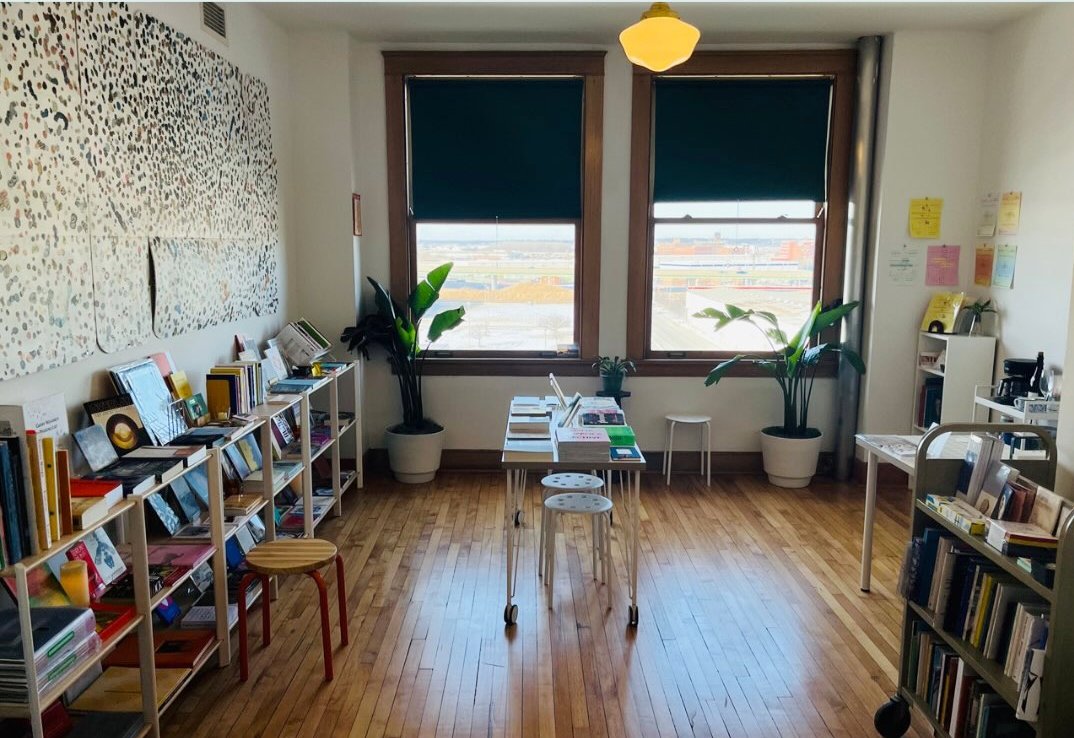
 Barnes & Noble will open new stores in Littleton, Mass., Atlanta, Ga., and Ontario, Calif., tomorrow, October 21.
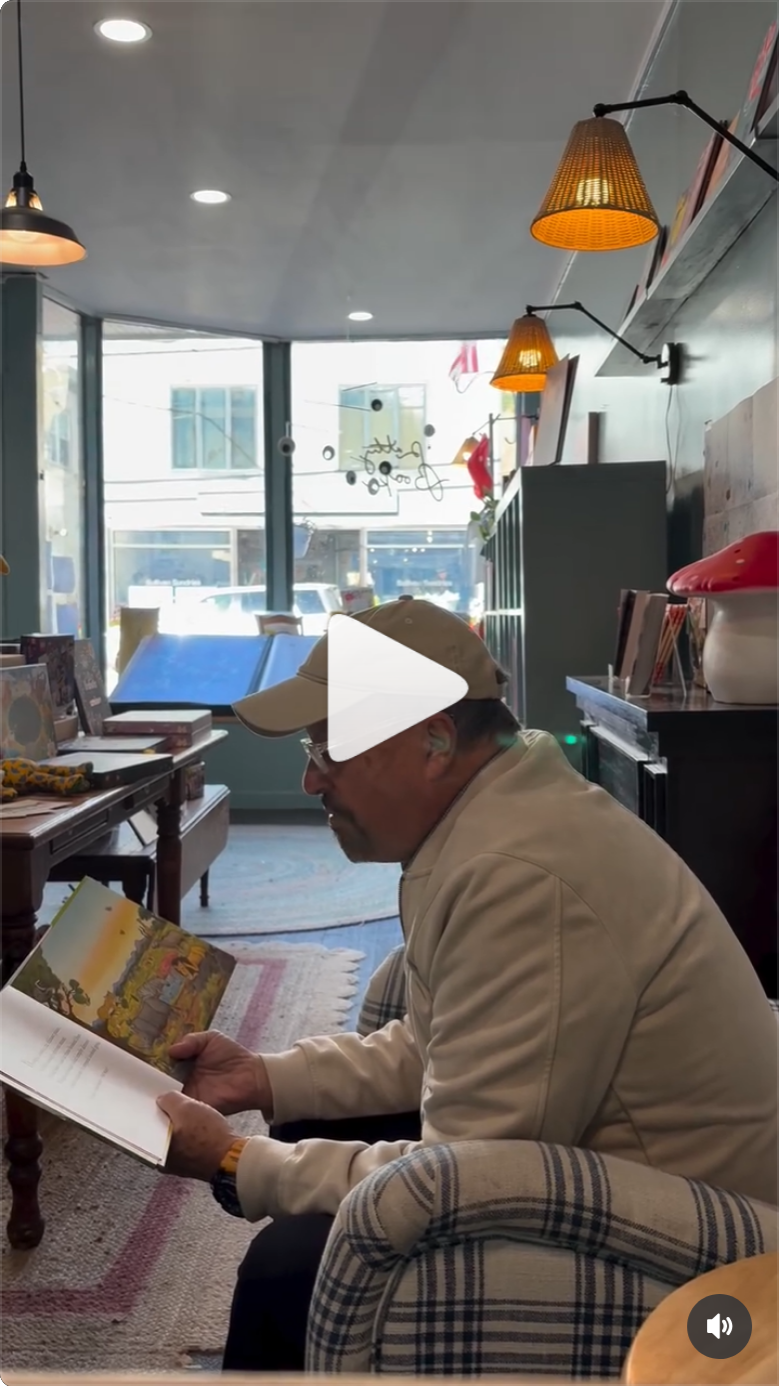
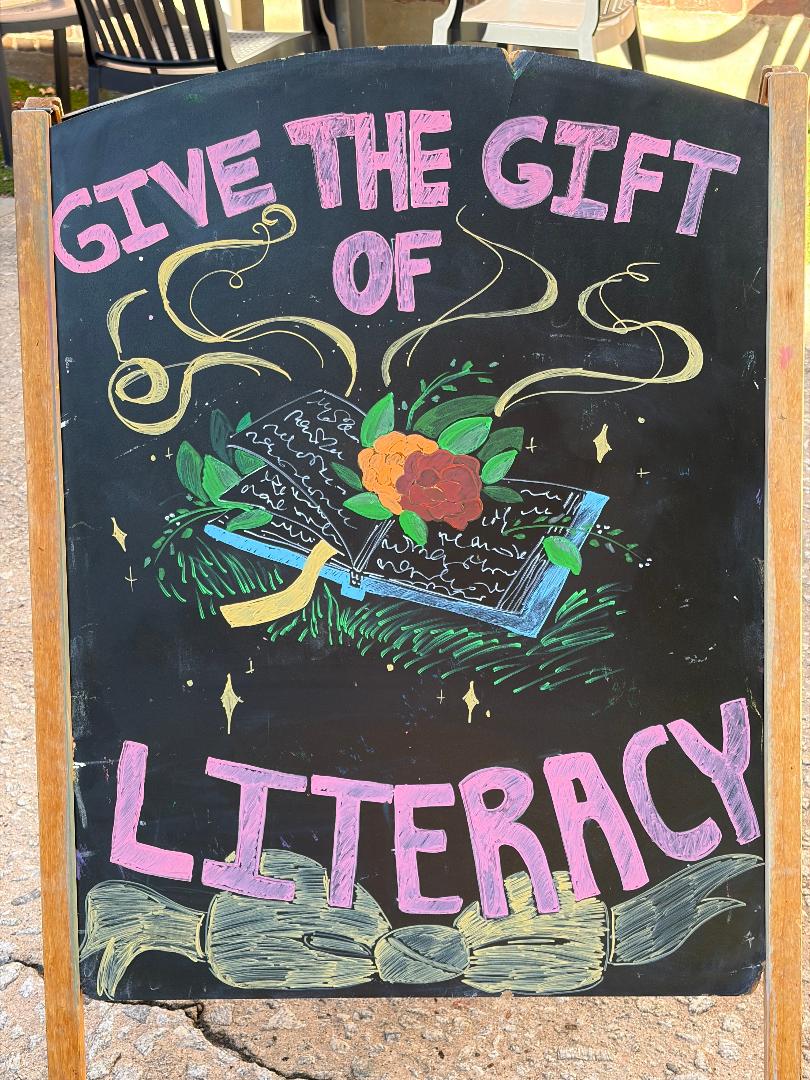 "Give the gift of literacy." That was the sidewalk chalkboard message in front of
 Narcissi
 Xujun Eberlein's powerful memoir, The River Drowns the Able Swimmer, chronicles three generations of her family's history and experiences in Communist China through the lives of three brave women: her grandmother, her mother, and herself. Eberlein's narrative shows the sweeping social, cultural, and technological changes brought about by the Cultural Revolution, the continuing echoes of family secrets, and the complications of personal expression under a repressive regime.