 |
Michelle Porter
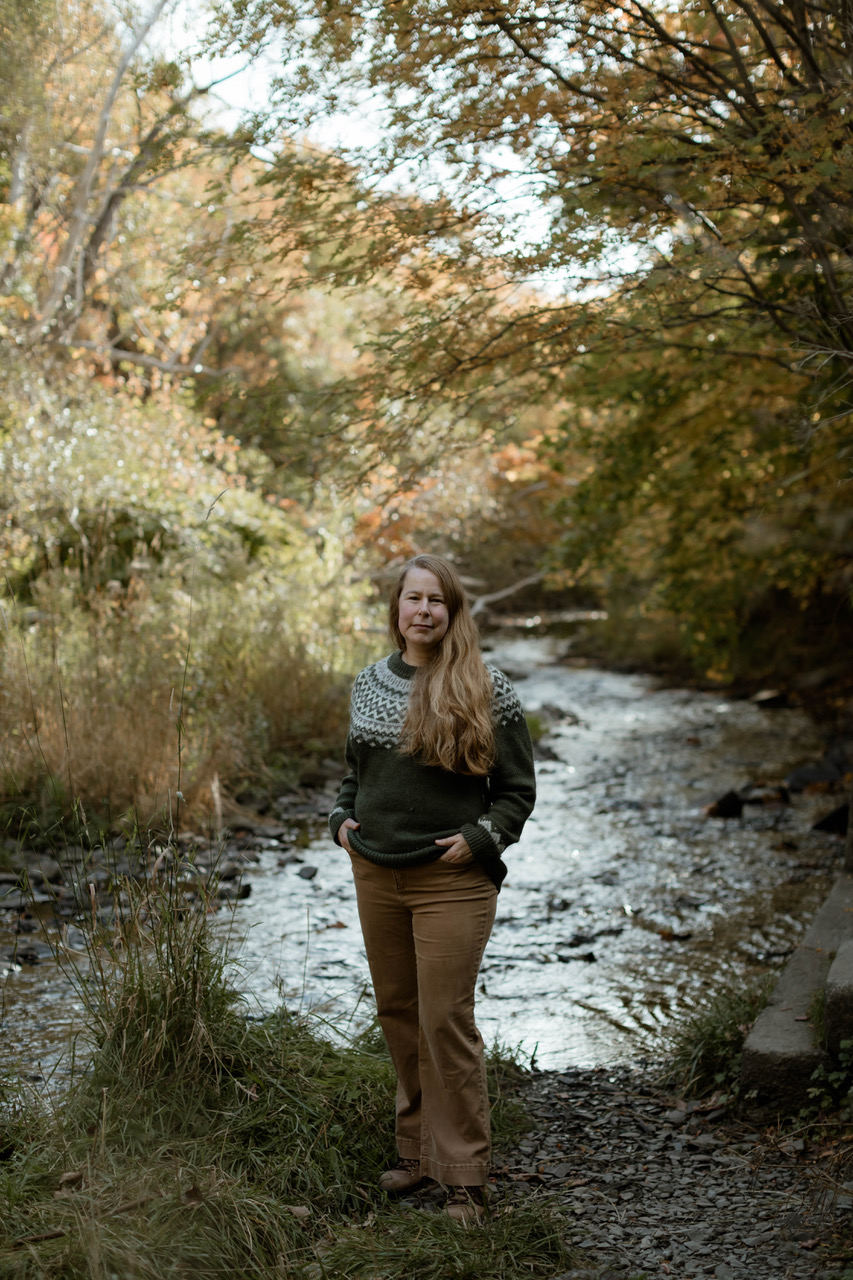
(photo: Jennifer Georgette) |
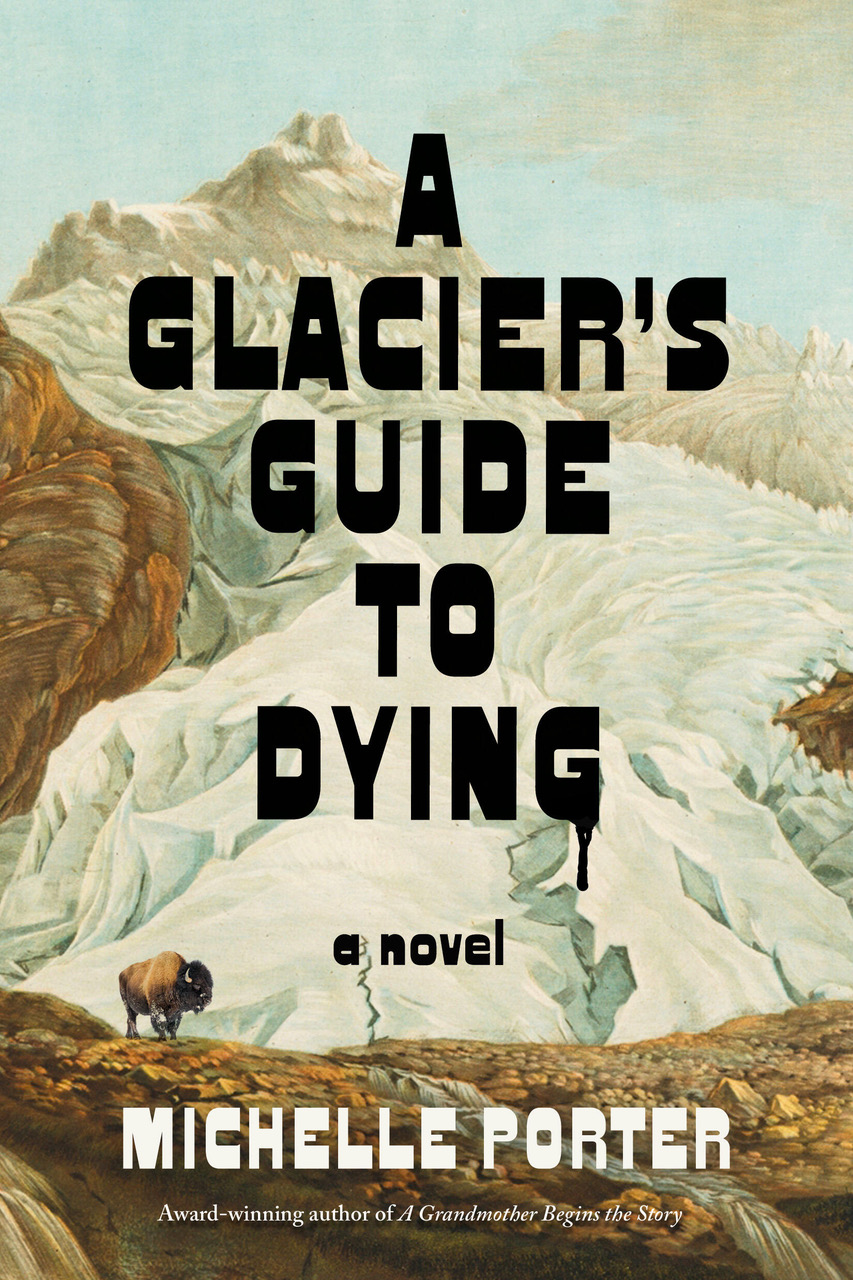
Michelle Porter is the author of the novels A Grandmother Begins the Story and A Glacier's Guide to Dying (Algonquin, November 3, 2026). Her previous books include the memoir Scratching River and Approaching Fire, a work of creative nonfiction about her great-grandfather, a fiddler from the Red River, which was shortlisted for an Indigenous Voices Award. She is the descendent of a long line of Métis storytellers and a member of the Manitoba Métis Federation; she lives in St. John's, Newfoundland, where she teaches creative writing and Métis literature at Memorial University.
Handsell readers your book:
A young Métis man who sets out in search of his missing father, a man who struggles with mental illness. Robbie's journey takes him from Alberta into the Montana mountains and the melting and surging remains of a glacier that starts up a conversation with him. Robbie's quest forces him to lose almost everything and to face his own mortality and, even worse, his family.
On your nightstand now:
We, the Kindling by Otoniya J. Okot Bitek, about the ways in which war infects countries and how the worst can be survived.
Good Guys by Sharon Bala, about the harm we sometimes do with good intentions.
Omeros by Derek Walcott, a novel written as an epic poem that is both beautiful and challenging to read.
Favorite book when you were a child:
Julie of the Wolves by Jean Craighead George. I read this story over and over again. It's about a young Inuk girl who runs away from an abusive situation to live on the land traditionally on her own, communicating with a wolf pack as part of her survival. I think the book mirrored my desire to get away from a modern life in which I didn't feel I fit in. My mother used to tell stories of her life growing up in the bush, and I so much wanted to grow up in the bush and on the land--I felt the loss of a way of life deeply even as a child.
Your top five authors:
Katherena Vermette for her work in opening up space for Métis writers and stories.
Michelle Good for the stories that love characters struggling with intergenerational trauma with a studied fierceness.
Tara Gereaux for her historical novel that brings to life the reasons so many Métis lost touch with their culture and find belonging and hope in a return to their culture.
Jane Austen for all the tea and gossip in her stories.
Richard Van Camp for his commitment to his community's stories and the sound of oral storytelling in the written word.
Book you've faked reading:
A Tale of Two Cities by Charles Dickens. When I was 12 years old, my cousin suggested we read this expansive novel at the same time. It was too dense and slow moving for me and I quit reading it after a couple of chapters, but I lied and told my cousin I had not only read it but loved it as much as he did. Years later, he confessed that he hadn't been able to get through the book either but couldn't admit it to me at the time.
 Book you're an evangelist for:
Halfbreed by Maria Campbell. This book started it all for us Métis. Her story introduced us to the country, an Indigenous Nation that was often misunderstood and overlooked, living in the margins. Campbell's book opened doors for all us Indigenous writers, but especially for Métis. The book has two editions, the 1973 edition and the 2019 restored edition. In the first edition, Campbell had to cut out parts of her story for fear the Royal Canadian Mounted Police would retaliate or halt publication. The book's restored edition includes the story of her assault and harassment at the hands of RCMP officers when she was 14. The two editions say so much about the power of stories and truth telling--and also say so much about Campbell's strength and wisdom in finding the time to tell her story. She set the stage for the rest of us and welcomed us all.
Book you've bought for the cover:
Louis Riel: A Comic-Strip Biography by Chester Brown
Book you hid from your parents:
My teenage love of steamy romance novels. My mother didn't limit what I read in any way, but I didn't want her to see me reading scenes that included spicy details of romantic encounters, so I hid myself away. I didn't want Mom to tease me about them, and I for sure didn't want to talk about them with my mom.
Book that changed your life:
When I read The Break by Katherena Vermette, I broke down in tears multiple times in places in the book that might seem quite ordinary or everyday. Vermette brought to life the contemporary Métis world that I recognized but had not read in a book before then, and not in so vivid a story as hers. In many ways the Métis have been "Hiding in Plain Sight" (as the title of one museum exhibit described). Vermette's gift to us all was to make who we are now, with our complicated families and identities, our intergenerational trauma and ongoing love of our history and culture, visible not only to the world, who made her book a bestseller, but to ourselves. Vermette's book didn't flinch from the hard things either, and the characters in her book have stayed with me since my first reading.
Favorite line from a book:
The title of Tara Gereaux's novel Wild People Quiet stays with me these days. The title comes from the quote by Prime Minister John A. Macdonald in 1869 about the Métis people: "I anticipate that [the lieutenant governor] will have a good deal of trouble, and it will require considerable management to keep those wild people quiet." I was just talking about this quote with my Métis writing group earlier today, saying how our writing is part of how we continue to refuse to be quiet as Métis people. Gereaux's use of that quote is so smart.
Five books you'll never part with:
My collection of Jane Austen novels. I can read each of those countless times and they feel just as fresh.
Book you most want to read again for the first time:
Small Things Like These by Claire Keegan. This book asks you to walk with it, slowly and quietly, until the quiet itself becomes such a powerful sound that the life-changing ending is the natural result. Keegan makes this story about the treatment of girls in Ireland's Magdalene laundries. It's a story that happens over Christmas, and you feel the approaching chill of winter and travel with the main character as he drives through the first snow and finds within himself the courage to make a difference to one girl, no matter the cost to himself. In this book, courage is a quiet, anxious thing, and it sneaks up on you even when you've decided to do without it. This telling is magical in the trance it puts upon the reader, one that doesn't let go until the last sentence. I'd like to write something in this style one day.





 Layfette Books & Gifts will host a ribbon-cutting ceremony on November 19 for its bricks-and-mortar space, located at 7500 Oakbrook Drive, Suite 14, inside the Oakbrook Towne Center in Florence, Ky. A grand opening is slated for November 21.


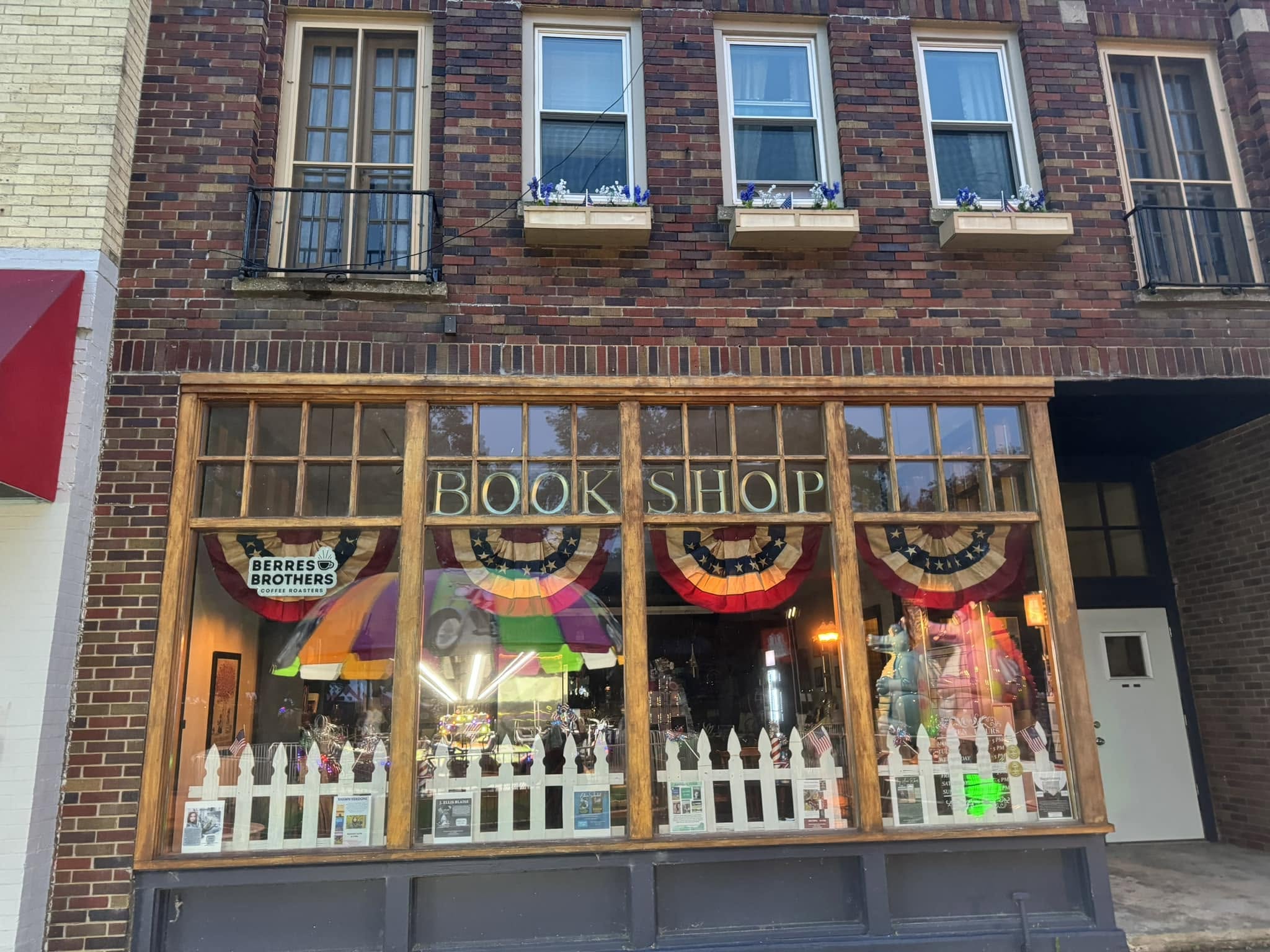 Noelle Schneider has purchased
 "It is with heavy hearts that we have to tell you that
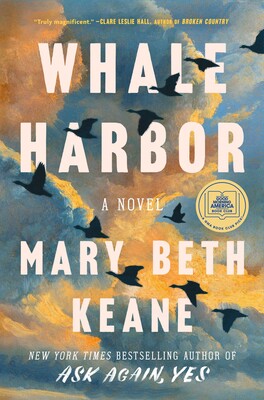 Whale Harbor

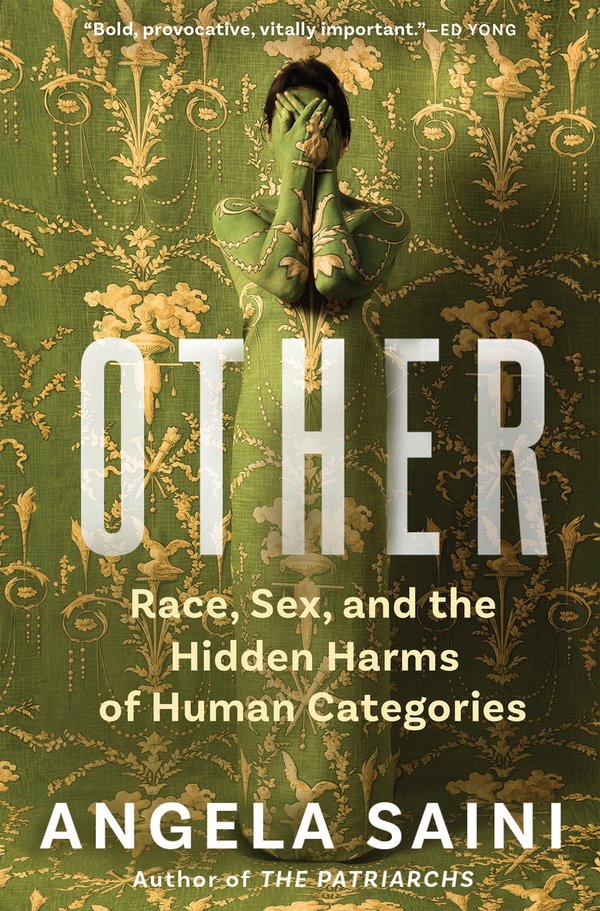 Award-winning science journalist and assistant professor of science writing at Massachusetts Institute of Technology Angela Saini (The Patriarchs) clearly and incisively examines data collection about sex and race from censuses, medical trials, and even what people volunteer on social media in Other: Race, Sex, and the Hidden Harms of Human Categories. She posits how it has changed society and explores why individuals should care--and maybe even think twice--about checking boxes asking them to volunteer this information.