Latest News
Sourcebooks Casablanca: The Dark in Her Veins by M.K. Lobb
August 28, 2026
WHAT TO READ NEXT: REVIEWS OF GREAT BOOKS

Fiction is one of the most extraordinary devices for stepping into the experiences of other people. In A Tender Age, a "luminous" new novel from Chang-Rae Lee, one narrator reflects on the complexities of his childhood as they converged on the challenges of maturity. Richard Russo's new novel of homecoming, Under the Falls, draws together one man's "moral reckoning" with "an engrossing mystery." Lisa Roe's "wry, warmhearted" Big & Lily traverses the wilds of Alaska as well as the "challenging terrain of sisterhood." Meanwhile, Leslie Bazzett develops some "erotically charged suspense" between an aspiring writer and a mysterious older woman in the "dazzling" Mia. With layers and textures like these, the novel continues to prove itself as an intimate and enduring technology.

--Dave Wheeler, senior editor, Shelf Awareness
FEATURED TITLES
Cover

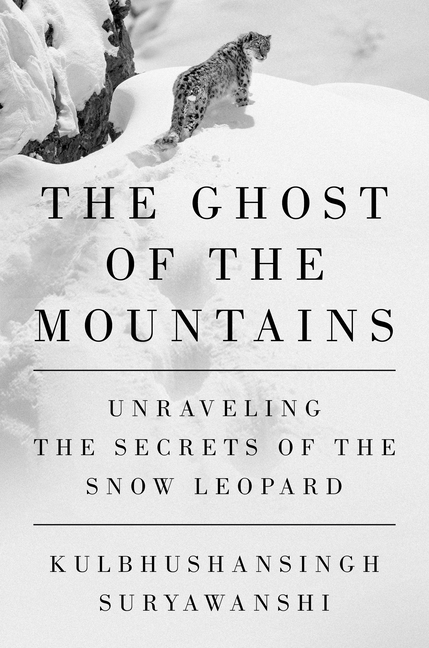
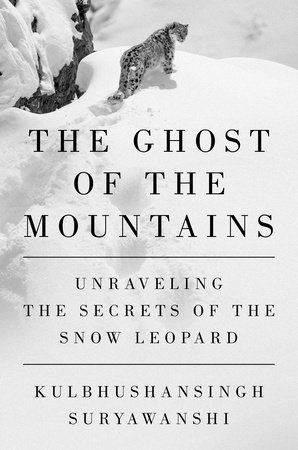
The Ghost of the Mountains: Unraveling the Secrets of the Snow Leopard

Kulbhushansingh Suryawanshi

A snow leopard biologist and conservationist details 20 years of danger, camaraderie, and wonder experienced while studying one of the planet's most elusive big cats.

The Ghost of the Mountains: Unraveling the Secrets of the Snow Leopard

Kulbhushansingh Suryawanshi

Riverhead | $32 | 9798217043736

A majestic, elusive big cat is as beloved and threatened by humans as its life is entwined with theirs in the nonfiction narrative The Ghost of the Mountains: Unraveling the Secrets of the Snow Leopard by conservationist and snow leopard biologist Kulbhushansingh Suryawanshi. Suryawanshi details 20 years of a journey that continually teaches him that even with observation, research, and radio collars, "snow leopards [are] like the mountains they inhabit--there is something forever unknowable about them."

Readers who want to learn more about the cat itself will find plenty of knowledge here, including stories of specimens Suryawanshi has followed through the years. His enthusiasm for his subject shines as he lionizes their beauty while explaining how their coat patterns give them the power of invisibility. Researchers must rely on technology and luck to lay eyes on snow leopards, and Suryawanshi celebrates every sighting for the small miracle it is. He details the lifestyle of the villagers whose livestock face threats from these predators and explores how their attitudes toward the leopard can shape its survival. Climate change, commercial ventures, and politics also impact the animal's habitat and future, and Suryawanshi presents these issues with a sober though hopeful outlook.

Elements of travelogue, mystery, and scientific narrative combine here as Suryawanshi beautifully articulates the charm and singularity of this near-mystical animal, offers portraits of the people who are committed to protecting it, and shines a light on the work required to safeguard this iconic species. Readers wary of dry science should instead expect to find outdoor adventure, moments of danger, and plenty of magical and adorable snow leopard encounters. --Jaclyn Fulwood, blogger at Infinite Reads

Cover

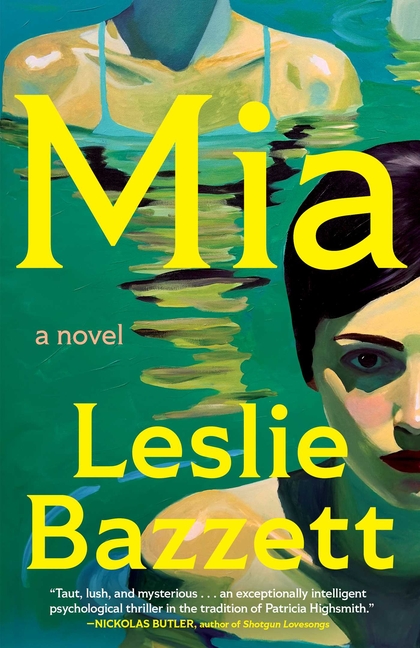
Mia

Leslie Bazzett

A young wife and mother temporarily living in Mexico falls under the spell of an enigmatic older woman in this mesmerizing, erotically charged suspense drama.

Mia

Leslie Bazzett

Scribner | $29 | 9781668227329

When an aspiring writer falls under the spell of a mysterious older woman, it sets in motion a precipitous chain of events in Leslie Bazzett's dazzling debut novel, Mia, an erotically charged suspense drama fueled by one woman's "fantasy of belonging." The narrator recounts an earlier period in her life, when she and her family temporarily relocated from their Minnesota home to a charming town in Mexico.

Sally, her architect husband, Tom, and their young children, Ida and Henry, settle into a gorgeous hillside home in San Miguel, where Tom will oversee construction of an "elaborate community aimed at wealthy Mexican and American retirees." Their house comes with a maid, María, who relieves Sally of all domestic duties. Bazzett captures the alluring novelty of being an outsider in a new town and the insidious side of leisure, how too much of it can leave a person directionless.

Vignettes of Sally's troubled past reveal a girlhood plagued by neglect and sexual abuse. When drinking coffee with Louise, a strikingly beautiful woman in her 50s whose leg was damaged in a long-ago accident, Sally is secretly thrilled when the waiter mistakes her for Louise's daughter. And so begins an intimate bond that leads Sally down an exciting yet risky path. She craves Louise's approval even as Louise lays claims on the younger woman that are increasingly absurd. Sally performs the role of perfect wife and mother until she is seduced into a wilder, freer version of herself.

A mesmerizing novel infused with a sense of foreboding, Mia invites readers to ponder the costs to authenticity when living in denial of the past. --Shahina Piyarali

Poisoned Pen Press: The Opposite of Murder by Sophie Hannah
Cover

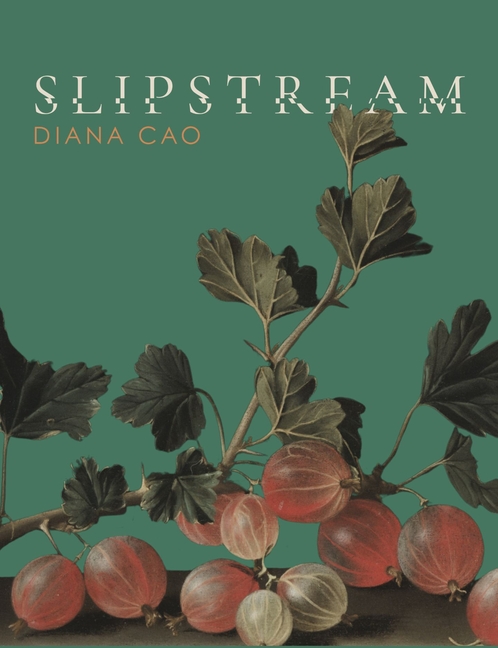
Slipstream

Diana Cao

The 38 poems in Diana Cao's arresting debut collection tweak traditional forms as they cast a wry eye over family history, nature, travel, and technology.

Slipstream

Diana Cao

Tupelo Press | $19.95 | 9781961209619

The 38 poems in Diana Cao's arresting debut collection, Slipstream, cast a wry eye over family history, nature, and technology.

The tone is by turns morbid and nostalgic as Cao revisits scenes from the past, such as her father's heart attack while on vacation in Morocco and life's altered rhythms during the Covid-19 pandemic. Solitude and suffering recur. The speaker feels jaded by days' repetitiveness, but travel proves disorienting. Several poems respond to her difficult relationship with a mother disappearing into dementia. Frequently, the structure employs repeated lines (a sestina; a sonnet corona in which the last line or two of one poem becomes the opening of the next), which suits the contents. Time collapses as vignettes from her immigrant mother's life in China and the U.S. alternate: "It is all neurofibrillary tangle/ the past flaring up into the present/ symptom of disease." Chinese characters, slant rhymes, and wordplay draw further attention to the slippery nature of meaning.

Wariness about technology is another robust theme, with "Privacy Policy" and "the algorithm moves toward an average" exposing the absurdity of online life ("When you sign up for this slipstream, you give us certain information voluntarily. This includes... the number of an emergency contact you broke up with five years ago"; "every day i prove my humanity to robots"). Nature provides an apt counterpart, with unusual love poems pinpointing lessons from butterflies, cicadas, and mantises. Blending traditional forms and a novel range of topics, Slipstream introduces Cao as a promising talent. --Rebecca Foster, freelance reviewer, proofreader, and blogger at Bookish Beck

Cover

The Library of Memories

Barbara Perez Marquez, illus. by Lissy Marlin

A girl who can't remember who she is races to save an infinite space that contains strange memories in this enchanting middle-grade graphic novel about the bittersweet nature of the past.

The Library of Memories

Barbara Perez Marquez, illus. by Lissy Marlin

Little, Brown Ink | $14.99 | 9780316464437

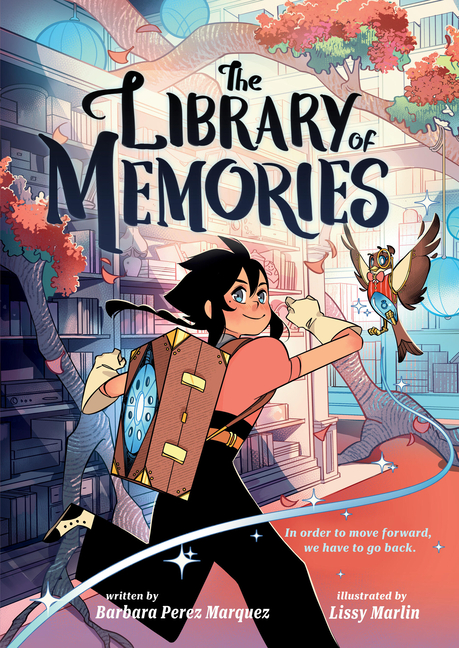
The Library of Memories is a joyous middle-grade fantasy graphic novel that gracefully explores grief through the determination of a charmingly intrepid girl to regain her lost memories.

Copenhagen, a girl with messy black hair and blue eyes, cannot remember who she is. It is as if she fell asleep in one place and woke up in a fantastical art deco steampunk world inhabited by sentient metal creatures. Those "Gyrotrons" remind her--yet again, apparently--that she is an assistant in the Library of Memories. Each eclectic item in the infinite space contains a memory, and interacting with it enables one to experience it firsthand. Every time Copenhagen touches an object in the library, however, her own memory resets, the physical library changes, and whatever she touched vanishes. Copenhagen seeks to understand this process but has nothing to guide her except her journal, filled with confusing notes, and Lawrence, an uptight mechanical bird who has taken it upon himself to protect her.

Barbara Perez Marquez (who adapted the graphic-novel edition of To All the Boys I've Loved Before) and Lissy Marlin (illustrator, the Magic Misfits series) deliver a darling tale that depicts joy in all types of memories. Marlin's dramatic digital art allows Copenhagen's endearingly spirited personality to shine; the exaggerated anime-style expressions show her many moods, and metafictional activity highlights her playfulness. Jets of cotton-candy-colored magic slip into sepia memories, all in a detailed, visually arresting steampunk setting. An abundance of humor keeps this graphic novel lively. Sophie Escabasse and K. O'Neill enthusiasts will likely enjoy this moving adventure. --Samantha Zaboski, freelance editor and reviewer

DC Vertigo: Collected Editions On Sale October. Pre-Order Now!
BOOK REVIEWS
Lisa Roe's warmhearted second novel explores the complicated dynamic between two grown sisters on a hiking trip in the Alaskan wilderness.

Big & Lily

Lisa Roe

Harper Perennial | $18.99 | 9780063474918

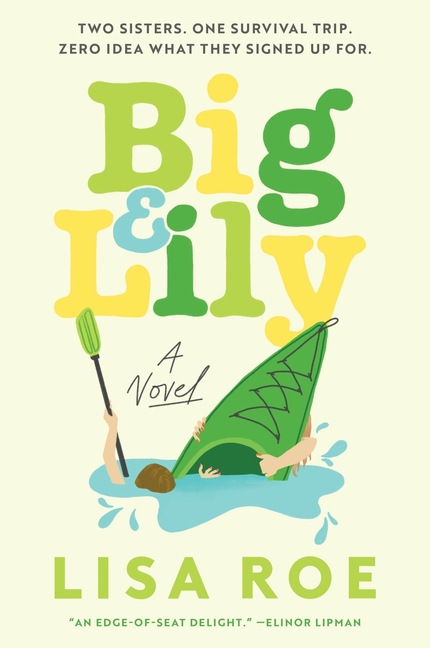
Lisa Roe's wry, warmhearted second novel, Big & Lily, takes readers deep into the heart of the Alaskan wilderness--and the equally challenging terrain of sisterhood.

Bridget "Big" Ackerman-Petty has spent her life caring for everyone around her, especially her bright, charismatic younger sister, Lily. Big's two kids are grown and her husband has retired, but she still spends her time managing everyone's lives, not to mention chauffeuring her imperious mother to water aerobics and appointments. When Lily's marriage implodes, she books a last-minute slot on an Alaskan wilderness trek and begs Big to come with her. Big reluctantly agrees, only to discover that Lily has signed them up for a no-frills adventure. Without cell service, a comfortable bed, or her luggage, Big finds herself entirely out of her depth, attempting to support Lily while struggling to keep up with their fellow hikers. As the sisters navigate physical tests, Alaskan wildlife, and each other's constant presence, they are forced to confront the emotional baggage they've lugged across the country.

Roe (Welcome to the Neighborhood) explores the sisters' close but complicated dynamic. The sisters' tensions also flare up along the trail itself, leading to at least one too-close encounter with a moose, among other dramatic incidents. Roe slips in a few breathtaking descriptions of the Alaskan scenery and one heart-to-heart conversation that begins to shift the way Bridget sees her sister and herself.

With a gorgeous setting and plenty of humor, Roe's insightful novel will appeal to readers who love adventure tales, complex families, and stories of second chances. --Katie Noah Gibson, blogger at Cakes, Tea and Dreams

Amit Chaudhuri's novel Château Rouge chronicles an Indian writer's exploration of Paris during a writing fellowship, an opportunity that reshapes his perspectives of the city and himself.

Château Rouge

Amit Chaudhuri

New York Review Books | $17.95 | 9798896230878

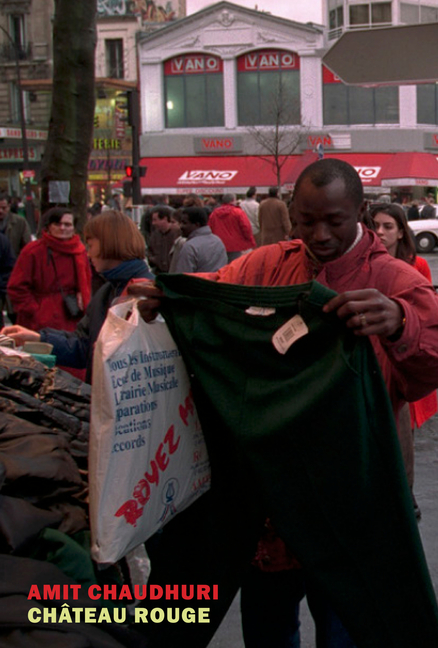
Paris is more than a moveable feast. It's an unlimited buffet that invites diners to select as much Paris as they want, and only the parts they desire. Those choices reflect upon the person making the selections, a concept Amit Chaudhuri (The Immortals; Sojourn) plays with in his movingly elliptical novel Château Rouge. In the years before the Covid-19 pandemic, an unnamed author of Indian descent arrives in the Château Rouge section of Paris to begin a fellowship. Any romance he felt about Paris dissolves when he enters his sublet, a grungy one-bedroom apartment that has, among other lowlights, a toilet bowl with "a history of staining." He's repulsed until his wife points out that this was the sort of place writers lived in during Ernest Hemingway's time. The romance returns, and he decides, however queasily, to give it a go.

As the novel progresses, the first-person narrator explores the richness and variety of the city. He notes his "sense of territories that flowed into each other," from the West African and working-class French neighborhoods to sections that are "bastions of wealth and privilege." That perspective is reinforced and complicated five years later, when he returns on a "research stop" for the book he's writing about Château Rouge, to see if the city is different, and how his impressions may indicate how he, too, has changed. "You see what you want to," the narrator says. Chaudhuri explores that truism with impeccable, lucid charm in this beautiful work. --Michael Magras, freelance book reviewer

Liam Higginson's debut novel is a brooding tale of a Welsh farming couple's encounter with dark forces unleashed from an ancient archeological site.

The Hill in the Dark Grove

Liam Higginson

Hogarth | $29 | 9798217154166

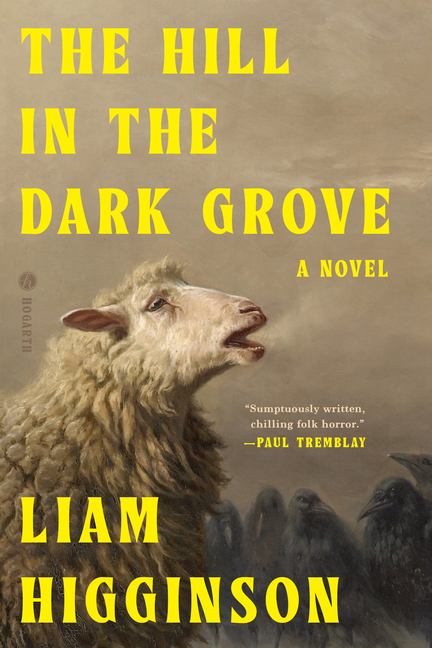
Welsh author Liam Higginson has cited Shirley Jackson and Stephen King as two of his main literary influences. While it's too early to place him in the same rank as these masters of horror, Higginson's debut novel, The Hill in the Dark Grove, is a thoroughly atmospheric and quietly unsettling story that's both original and faithful to the spirit of their works.

Set in the rugged mountains and valleys of Higginson's native North Wales, the novel tells the story of Carwyn and Rhian Gwynnant. The childless couple in their 60s operate a failing sheep farm that's been in Carwyn's family for generations. Now mired in debt, they fear an auction sale that will transfer their property to "some rich landowner from England." They're determined to forestall that event through their tireless labor and some clever evasive tactics.

But the mountains are "the abode of witches and giants and gods," and the supernatural has long played a prominent role in the lives of their inhabitants. When Carwyn stumbles upon a carved stone face in one of his fields, he embarks on a project to excavate a site. But his dedication to this solitary archeological dig gradually crosses the line into obsession. Rhian's dread that he has summoned something dark and terrible from the earth overtakes her life.

Higginson's lush descriptions gracefully evoke the beguiling but often treacherous beauty of the Welsh countryside. He traces the changing seasons, subtly underscoring how tightly his characters' lives are tied to forces--natural and supernatural--beyond their control. All of this enhances a sense of terror that's slow building, but no less powerful for that fact. --Harvey Freedenberg, freelance reviewer

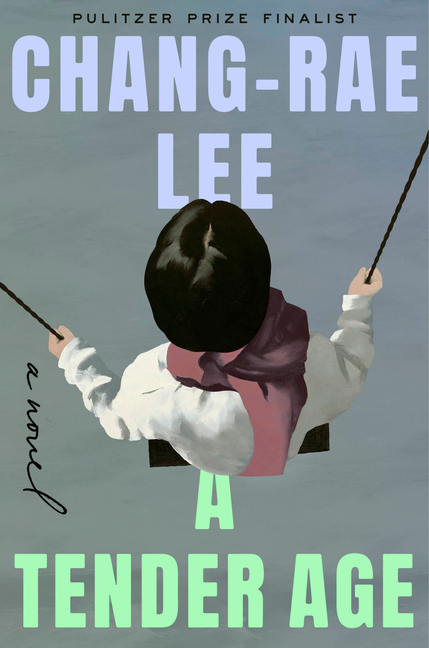
Chang-rae Lee dazzlingly explores a young boy's childhood amid racism, bullying, and life-altering violence.

A Tender Age

Chang-Rae Lee

Riverhead | $30 | 9798217048441

Five years after his last novel, Chang-rae Lee (On Such a Full Sea) delivers A Tender Age, a luminous bildungsroman about the ache to belong. Jeon-Gi finds himself "suddenly thinking about the circumstances of how our girls got our dog." Years ago, they were visiting family friends and left with a three-month-old puppy that was being abused by the family's young son. In imagining the dog's revenge on his tormentor, Jeon-Gi insists, "To dispirit a certain kind you must be malign, become as bent as your nemesis. You must shock even yourself."

From there, the narrative explores "some rough times... [that] spanned the near-year that led up to my eleventh birthday during camp in the summer of 1976." Jeon-Gi and his family live 35 minutes north of New York City. Their apartment complex is home to "legions of us new immigrants," and the children regularly congregate outside to play. But Jeon-Gi is bullied by an 11-year-old girl who weaponizes his devotion to his mother; he is provoked by a racist playmate, then relentlessly terrorized by a fellow student. Despite good friendships and supportive counselors, amid developing his first romantic feelings, that summer Jeon-Gi's increasingly uncontainable frustration pushes toward inevitable results that reverberate through lifetimes.

Lee again explores identity and acceptance, family and relationships, racism and privilege with raw intensity and biting insight, managing to write breathtaking prose through predictable mundanity but also wrenching inhumanity. He gorgeously, empathically captures Jeon-Gi's visceral struggles desperately navigating between childhood innocence and "confronting adult realities." In his masterful almost-ending, Lee shrouds what exactly happened on that life-altering precipice, brilliantly inviting room for interrogation and interpretation. --Terry Hong

Thomas Nelson: The Secure Soul: Finding Inner Strength and Connection When Trust Doesn't Come Easy by Dr. Alison Cook
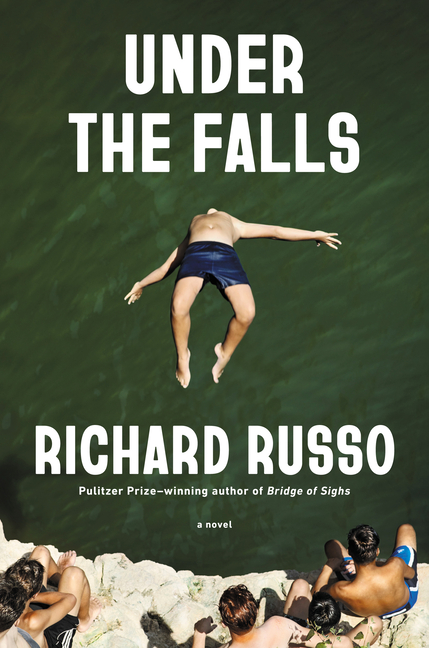
Richard Russo marries a story of memories and secrets in a small upstate New York town to a mystery surrounding a catastrophic accident involving a musician who returns there after a long absence.

Under the Falls

Richard Russo

Knopf | $30 | 9780593805107

Homecomings, especially long-delayed ones, can be hard. Unresolved emotions and buried secrets sometimes bubble to the surface when the wanderer finally returns. That subject alone would be fitting for the sort of story that's distinguished Pulitzer Prize-winner Richard Russo's long career. But with Under the Falls, he's connected that theme to an engrossing mystery.

Popular singer-songwriter Tyler Sinclair reluctantly is heading back to his hometown 18 years after he left to perform a benefit concert for his childhood friend Doc, paralyzed as a teenager in an accident while diving into the Falls with Tyler's help and now stripped of his Medicaid benefits. But the concert descends into chaos when the audience learns that Doc has died suddenly that evening. Afterward, the limo carrying Tyler is forced off a country road into a ravine by another vehicle. That crash sets the mystery plot into motion.

As the singer slowly recovers from his extensive injuries, his continued presence increases the pressure on Curt--the town's chief of police and another childhood friend of Tyler's who witnessed Doc's diving accident--to unravel the suspicious circumstances of the crash. These events also revive Curt's memories of Tyler's youthful attraction to his wife, Freddi, drawing the net that surrounds these characters ever tighter and forcing a moral reckoning for the man left behind when his best friend fled and achieved celebrity.

Despite the occasional implausibility, Russo (Life and Art) successfully manages the novel's plot twists to maintain the balance between a character-driven story and the tropes of traditional crime novels. Under the Falls will please his longtime readers and undoubtedly attract some new ones. --Harvey Freedenberg, freelance reviewer

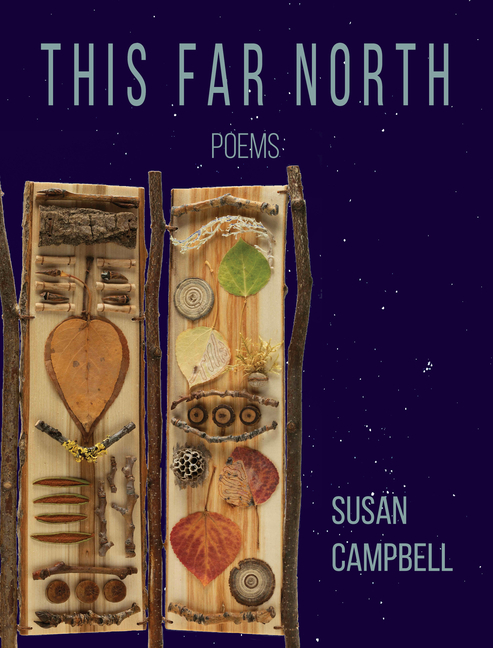
The 50 poems in Susan Campbell's inviting Alaska-set debut collection draw lessons in resilience from human and animal survival of extreme circumstances.

This Far North: Poems

Susan Campbell

Boreal Books/Red Hen Press | $18.95 | 9781597099646

Susan Campbell's Alaska-set debut poetry collection, This Far North, is steeped in science and nature, and it spins lessons of resilience from human and animal survival in extreme circumstances.

Fairbanks, Alaska, makes an ideal base for hiking and camping excursions--but the poet knows hers are tame compared to what she recounts in "The 1910 Sourdough Expedition: An Improbable Ascent of Denali." And that's nothing to the wonder of birds' long-distance migration: "We imagine the gods chuckling, the/ gauntlet they've slung tumbling across/ empty sand as bar-tailed godwits beat/ their way south to New Zealand, seven/ thousand miles without food, without rest." Campbell marvels at wolves, rivers, fungi, and the aurora borealis; she tracks the turning of the seasons as "The world weathers us--/ wind, water, sun, and rain." For the natural world, too, spring offers a reprieve from harsh winter. "Birches know about longing./ From October to May they wait./ Wait./ Wait for winter to relinquish its grip." The verse is rich in alliteration, assonance, and anaphora--in two pieces, every line or stanza begins with "When."

That keen awareness of the passing of time underpins poems about climate change, animal and human deaths, and the history of science (Isaac Newton's apple, Antoni van Leeuwenhoek's microscopy). Campbell also draws on her decades as an elementary school teacher, having learned as much from her students--Riley, raised in a trailer park; Burt, neglected by his parents--as they did from her. Acknowledging beauty alongside challenges, this inviting, down-to-earth work deserves a wide readership. --Rebecca Foster, freelance reviewer, proofreader, and blogger at Bookish Beck

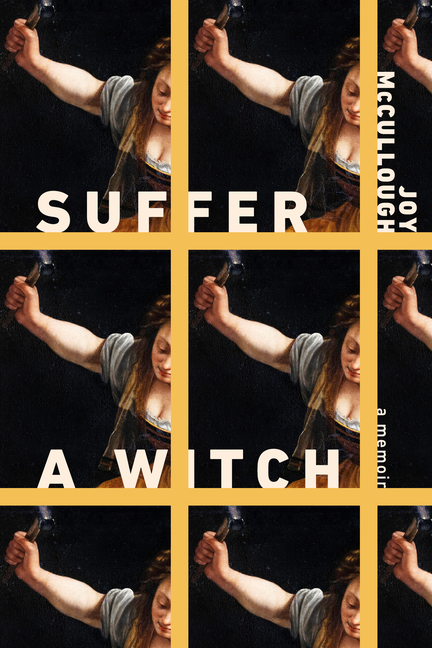
This shattering and beautifully written memoir-in-verse recounts author Joy McCullough's sexual abuse by a youth pastor at her church and the complicated road to recovery that followed.

Suffer a Witch

Joy McCullough

Dutton | $30 | 9780593855904

In this fierce and wrenching memoir, YA and children's author Joy McCullough (Everything Is Poison) recounts being sexually abused as a teenager by the youth pastor at her Presbyterian church in the San Diego suburbs where her father was a pastor. Written in spare, intimate verse, Suffer a Witch recounts how the charismatic pastor McCullough calls "Brett" groomed her during Bible study when she was 14, making her feel valued by listening to her concerns about her body image and self-esteem. During her sophomore year, Brett started using those confidences against her, abusing her emotionally and sexually for three years. McCullough developed an eating disorder and later began cutting herself. It wasn't until she left for college that McCullough was able to reckon with what had happened to her, but her path to recovery was complicated and uneven.

Throughout this disturbing account, McCullough punctuates her evocative, unsparing poetry with prose letters addressed to women and girls accused of witchcraft across history. She draws parallels between her own persecution and that of Abigail Williams, Joan of Arc, and others. This becomes especially poignant when McCullough describes being shut down by her church, community, and father after pressing charges against Brett. Worse, McCullough learned that her older sister had also been abused by Brett and that her father did nothing about it. Through her writing, a nurturing marriage, and several strong relationships, including with the editor of this memoir, McCullough has been able to endure and thrive. This difficult but beautifully written testament to her strength is a gift for readers. --Debra Ginsberg, author and freelance editor

With entertaining narration and fascinating studies, a British neuroscientist explores how negative health information can make individuals unwell even when no physical disease is present.

This Book May Cause Side Effects: The Curious and Dangerous Power of the Nocebo Effect, Placebo's Evil Twin

Helen Pilcher

Abrams | $30 | 9781419774669

Interrogating the mind's immense power over the body, British neuroscientist Helen Pilcher demonstrates how bleak expectations of medical outcomes or aging can seriously impact well-being in This Book May Cause Side Effects: The Curious and Dangerous Power of the Nocebo Effect, Placebo's Evil Twin.

Pilcher cites peer-reviewed studies to show how exposure to negative medical information--whether through the "intangible internal forces" that shape health or external forces such as social media--can actually make individuals unwell even when there is no physical disease or sickness present. This, she explains, is the "nocebo effect," sharing the example of a patient who, in the 1970s, was diagnosed with advanced cancer and died shortly thereafter. However, the diagnosis was found to be incorrect, so it wasn't cancer that killed him. Rather, he died from "believing he had cancer."

More recently, in an experiment by Ellen Langer, type 2 diabetes patients consumed low-sugar drinks misleadingly labeled as high sugar. These patients saw an increase in their blood glucose levels because the label "messed with their minds." This and other studies indicate that people have far less control over the "internal whirring" of their brains than they realize. Intriguingly, cultural beliefs about aging can actually influence the physical aging process. One important way to contain the nocebo effect, Pilcher writes, is "simply to acknowledge its existence." Understanding that ailments may have a "psychological rather than physical origin" can alleviate symptoms.

An entertaining narrator, Pilcher presents a fascinating introduction to an insidious phenomenon that poses serious implications to health. --Shahina Piyarali

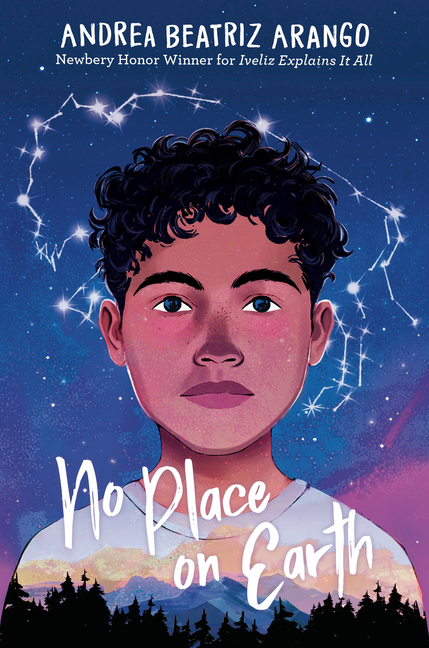
In this deeply perceptive middle-grade novel, two boys share a dreamscape that pushes them to face their anxieties, depression, and expectations of masculinity.

No Place on Earth

Andrea Beatriz Arango

Random House Books for Young Readers | $17.99 | 9798217119431

A fearful boy from Puerto Rico inexplicably enters another boy's dream world in the mystical middle-grade novel No Place on Earth, which explores anxiety and depression while compassionately challenging gender stereotypes.

When Gustavo's parents decide on a "trial separation," he moves from Puerto Rico to Yellowstone National Park, where his mom has taken a job. Gustavo's dad says he can come back to Puerto Rico if he's able to tough it out in the wild first ("I didn't raise un miedoso"). But the 11-year-old struggles with anxiety and panic attacks, visualizing disaster in excruciating detail. The difficult situation becomes surreal when the unknown boy who has been appearing in Gustavo's dreams turns out to be classmate Kordell ("the only Black kid on the whole bus")--and Kordell has been dreaming about Gustavo. In the boys' strange, shared dream life, Gustavo's anxiety comes terrifyingly to life, while Kordell finds a "happy escape" from crushing depression exacerbated by his parents' divorce. The boys resist befriending each other until they realize they both have the power to control the dreams.

Newbery Honor winner Andrea Beatriz Arango (Iveliz Explains It All) thoughtfully and astutely portrays the challenges of addressing anxiety and depression in a culture that favors toughness over sensitivity. The boys' dreams appear in verse, contrasting with the immediacy of waking life's prose. Gustavo does grow tougher in Yellowstone, but not in the way his dad imagined; he learns to accept himself, reject his father's cruel "jokes," and "feel the fear/ and then let it go." --Emilie Coulter, freelance writer and editor

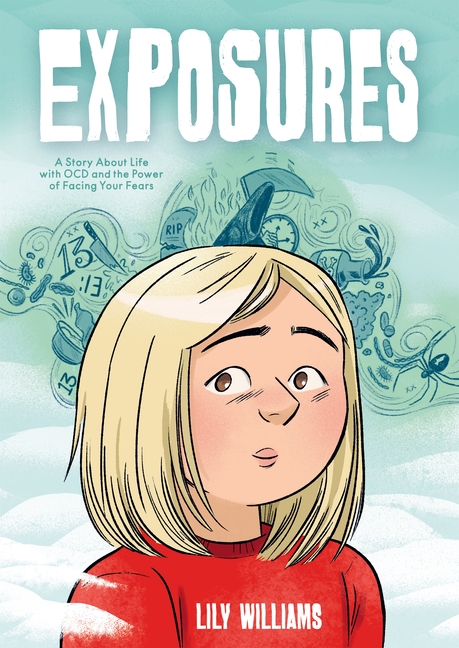
A courageous tween girl learns how to manage life with OCD through exposure therapy in this honest and inspiring middle-grade graphic novel.

Exposures: A Story About Life with OCD and the Power of Facing Your Fears

Lily Williams

First Second | $15.99 | 9781250246691

In the emotionally raw yet hopeful middle-grade graphic novel Exposures: A Story About Life with OCD and the Power of Facing Your Fears, Lily Williams (Go with the Flow) draws on her personal experience with obsessive-compulsive disorder (OCD) to portray its agonizing effects and the results that can come from exposure and response prevention therapy.

Blonde, pale-skinned, 12-year-old Peyton hides her scary, intrusive thoughts from her "perfect twin" sister, Taylor, and their doting parents because she's convinced she's "crazy." Flashbacks reveal the rituals (compulsions) Peyton developed over the years to self-soothe, including counting, skin picking, and avoiding red (the "color of blood"). When Peyton has a severe panic attack, her mother contacts Anna, a therapist who diagnoses Peyton with OCD. Anna helps Peyton train her brain to accept uncertainty and to curtail compulsions by exposing her to her fears through repeated exercises. After treatment, Peyton no longer sees herself as the "bad twin" with a "broken" brain, nor does she feel defined by her OCD: "I want to be me."

Williams's refreshing representation of OCD depicts the complex layers of various OCD subtypes. Peyton's mental health journey is inspiring for its realism, including reminders from Anna that "progress isn't linear" and that there will be painful setbacks. Williams's expressive illustrations convey the emotional intensity of living with OCD: Peyton's intrusive thoughts break the panels' borders and balloon to overtake the page. Exposures is a tough but validating graphic novel that will likely resonate with readers of Buzzing by Samuel Sattin and Rye Hickman or Guts by Raina Telgemeier. --Cristina Iannarino, children's book buyer, Books on the Square, Providence, R.I.

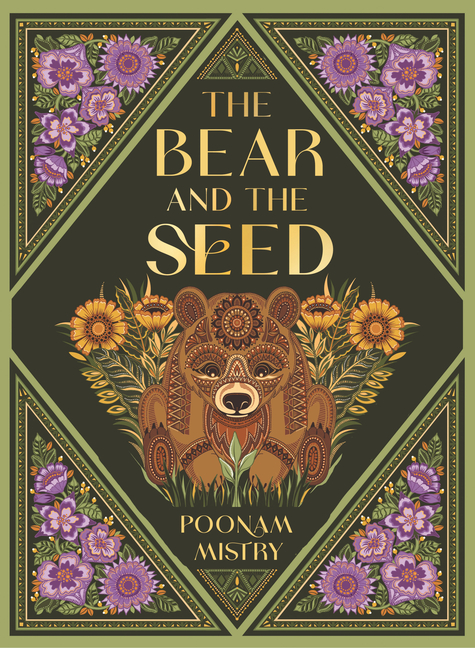
The Bear and the Seed is a reassuring picture book with illustrations inspired by Indian fabrics that celebrates the power of small actions.

The Bear and the Seed

Poonam Mistry

Candlewick Studio | $19.99 | 9781536243994

The Bear and the Seed, written and illustrated by Poonam Mistry (You're Safe with Me), is a gentle picture book about renewal that follows a woodland creature whose love for the forest inspires an act of care and hope.

In a wood described as "ever growing," Bear spends his days admiring the trees and flowers around him. When the landscape suddenly disappears, he is overcome with sadness. Then he discovers a seed and decides to look after it. At first, nothing happens. As Bear waits, other animals offer suggestions. Worm advises him to plant the seed in the ground. Frog recommends giving it water. Bird encourages him to sing to it, while Fox suggests calling on the stars to shine their light through the darkness. Bear patiently follows their advice as the seasons change. By the time Bear emerges from winter hibernation, the seed has become a thriving sapling.

Mistry's hand-drawn and digital illustrations feature geometric patterns and details inspired by Indian fabrics that echo the textures of the natural world. An earthy palette of brown, green, purple, and copper creates a calm woodland atmosphere that complements the story's gentle pacing. Ornate borders surround many of the illustrations, which lend the artwork an elegant, storybook quality. The Bear and the Seed offers a simple but meaningful message about caring for the environment and believing in the possibility of renewal. The story's focus on patience, cooperation, and optimism makes it a thoughtful choice for discussions about nature, stewardship, and resilience. --Julie Danielson

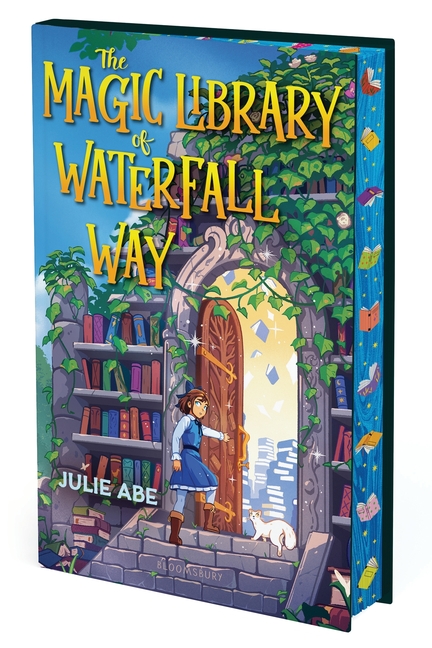
Eleven-year-old Lyra tirelessly searches for a home and must save a magical library from unknown threats in this daring and wonderfully cozy middle-grade fantasy.

The Magic Library of Waterfall Way

Julie Abe

Bloomsbury Children's Books | $18.99 | 9781547618293

In The Magic Library of Waterfall Way, a daring and wondrously cozy middle-grade fantasy by Julie Abe (Eva Evergreen series), an orphaned girl takes on her first real quest when a village is cut off from its magic.

Eleven-year-old Lyra Hunt needs desperately to find a home. She has been raised in the Alterran Empire, where guilds act as family units. Every guild has a specific focus, and every individual has a "remarkable" status--Extraordinary, Quite, Slightly, and Un--that allows them to cast different levels of magic. Lyra, "the only Unremarkable in an empire full of Remarkables," can cast no magic whatsoever. However, if Lyra isn't accepted into a guild and able to fulfill their required quest before she turns 12, she'll be banished to the Mists, where creatures eat "misbehaving children." The village of Waterfall Way is Lyra's last chance at safety but, due to a mysterious fire in the town's enchanted library, the key to the village's magic has been closed off. Lyra decides to unlock the library's enchantments and restore the town's missing magic as a quest in the hope that she will be accepted by the town's Guild of Scholars.

This first novel in a promising new series brims with wholesome adventure and surprising depth. Abe pivots from the more common heroic formula to invite readers into the perspective of a desperate outcast with a firm resilience and strong sense of self who only becomes a "chosen one" through her own consistent, forceful efforts. The Magic Library of Waterfall Way features accessible world-building, profound emotional shifts, and a protagonist who lets her hope guide her. It's an excellent read for budding fantasy fans. --Kyla Paterno, freelance reviewer

The Writer's Life

Kulbhushansingh Suryawanshi is an ecologist and conservationist based in Bangalore, India, who has spent almost two decades studying snow leopards in the wild. In our interview, he shares his enthusiasm for these charming yet elusive floofs, the highs and lows of life in the field, and how he researched and wrote his thrilling debut, The Ghost of the Mountains: Unraveling the Secrets of the Snow Leopard.

The Writer's Life

Kulbhushansingh Suryawanshi: Carnivores Belong Everywhere

Kulbhushansingh Suryawanshi
(photo: Prasenjeet Yadav)

Kulbhushansingh "Kullu" Suryawanshi is an ecologist and conservationist who has spent almost two decades studying snow leopards in the wild. He is a Fellow of the British Ecological Society, the director of the India program of the Snow Leopard Trust, and a scientist with the Nature Conservation Foundation. He is a CIFAR fellow and National Geographic Explorer and was a fellow of the Wissenschaftskolleg zu Berlin. He lives in Bangalore, India, with his wife and daughter. The Ghost of the Mountains: Unraveling the Secrets of the Snow Leopard (Riverhead; reviewed in this issue) is his thrilling debut.

Snow leopards are elusive. Why choose to study an animal that is so hard to spot?

There was a lot of research on charismatic species like the tigers, lions, and elephants, but few people would go to the mountains and look for snow leopards. I took a gamble and said, "If I combine my mountaineering together with my education, maybe that is what will help me study the species." At the same time, binoculars and cameras were getting better. DNA technology was getting more accessible. Much of the research until the early 2000s was done by people living alone or in a small team of researchers. Around that time, they started living and working with villagers. A combination of mountaineering skills, education, and working with local people helped me see the snow leopard many times in the beginning, and that was my proof of concept.
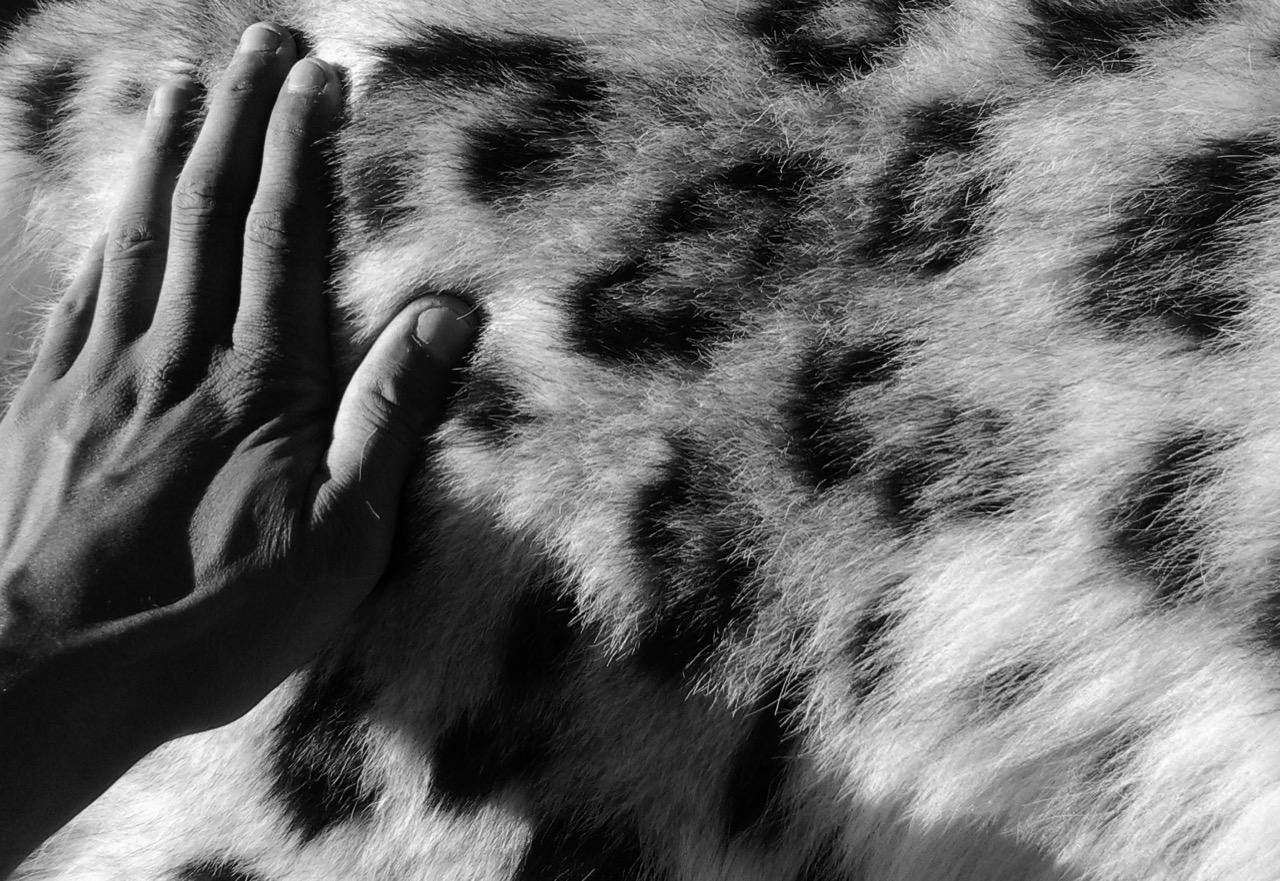
Are snow leopards as soft and fluffy as they look?

They are fluffy but collect a lot of dust. I remember my first reaction on touching a snow leopard. It felt like touching aluminum wool charged with static electricity. There was a dissonance between what I saw and what I felt. It is a wild sensation.

What's a day like for an ecologist in the field?

One must be open to change. You may have planned something the evening before, and the minute you step out of the door, conditions change, especially in the high mountains. You often spend months planning field work. When you go to the mountains, initially it's all about acclimatizing to the elevation, the cold, the different conditions. You collect data and test out what works. It might seem to make sense to collect data in the middle of the day, but I learned mornings are a great time to collect data. In the afternoon, it starts to warm up. There are avalanches, and snow becomes slushy. Mornings are cold but stable. I learned that autumn is a great time to collect data, unlike spring, when everything is melting, and it feels like the world is coming apart.

Along the way, you course-correct. Your car breaks down, your field camp burns down--you know, things happen.
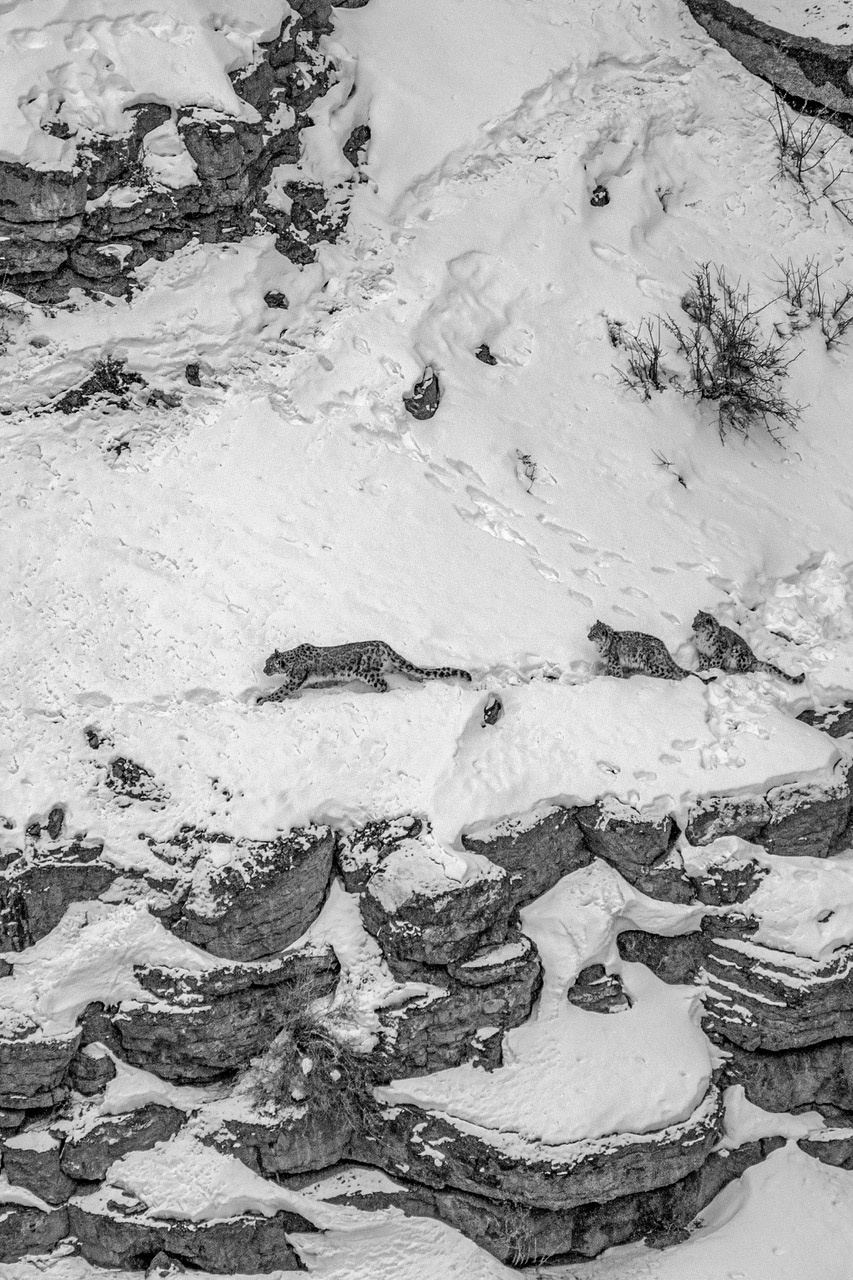
Is there a particularly difficult situation you're thinking of?

A colleague broke his shoulder and had to evacuate. I had to decide whether to stay or abandon the work. If there is a place that defines the phrase "the middle of nowhere," it's the Gobi Desert. To be in my 20s and faced with the choice of whether to live there alone was quite a moment. Living there is not as hard as making that decision.

I've had scares where you have a constant eye on the weather and the pass, because there's only one mountain pass that you can get out of. You're constantly on edge, calculating how much time it will take from your position to exit the pass under bad weather. It feels like a simple equation, but it never is. You have different amounts to lose, in terms of data, equipment, your own health and well-being, and your friends and colleagues' health and well-being.

I've had incidents where we lost colleagues and were launching rescue expeditions for days. We always found them, but on multiple occasions they were in bad shape, both mentally and physically.
On the other hand, can you think of some rewarding experiences?

Absolutely! The biggest reward comes when you find a snow leopard on your own, because it gives you a sense of accomplishment. It is as if you were to take a helicopter to the summit of a mountain versus hike the mountain on your own. When everything comes together, and you've walked for days on end, read the weather, the land, and the behavior of the animals right, and then you see them, it feels like you're graduating.

There is also a wonderful satisfaction to sitting by the fire in the evening, knowing that you've had an honest day in the field, come back with the data you went to get, watched your animals, climbed your mountains.

I also feel a sense of reward when working with local people. Sometimes it's helping them finish their agricultural work when the weather is closing in. It might be predator-proofing a corral. People don't see the snow leopard as the big, bad wolf. They see it as part of their day-to-day lives, like bad rain. When they have an opportunity to appreciate the snow leopard, you feel the thrill and excitement with them.

What's one message about your work you wish you could spread to other people?

People and wildlife are not two separate things. Whether we like it or not, carnivores belong everywhere. Often people are on hiking trails and see carnivores there. They feel the animal doesn't belong. But you belong on the hiking trail, and the animal belongs. You just have to find ways of getting around each other. An acceptance of that fact will allow us to create lives which are more accommodating of them. People are surprised to know carnivores live outside protected areas. Working with that knowledge to manage our surroundings opens up the possibility for conservation to go from 2-5% of the global land mass, which is what protected areas cover, to having 80-90% available.
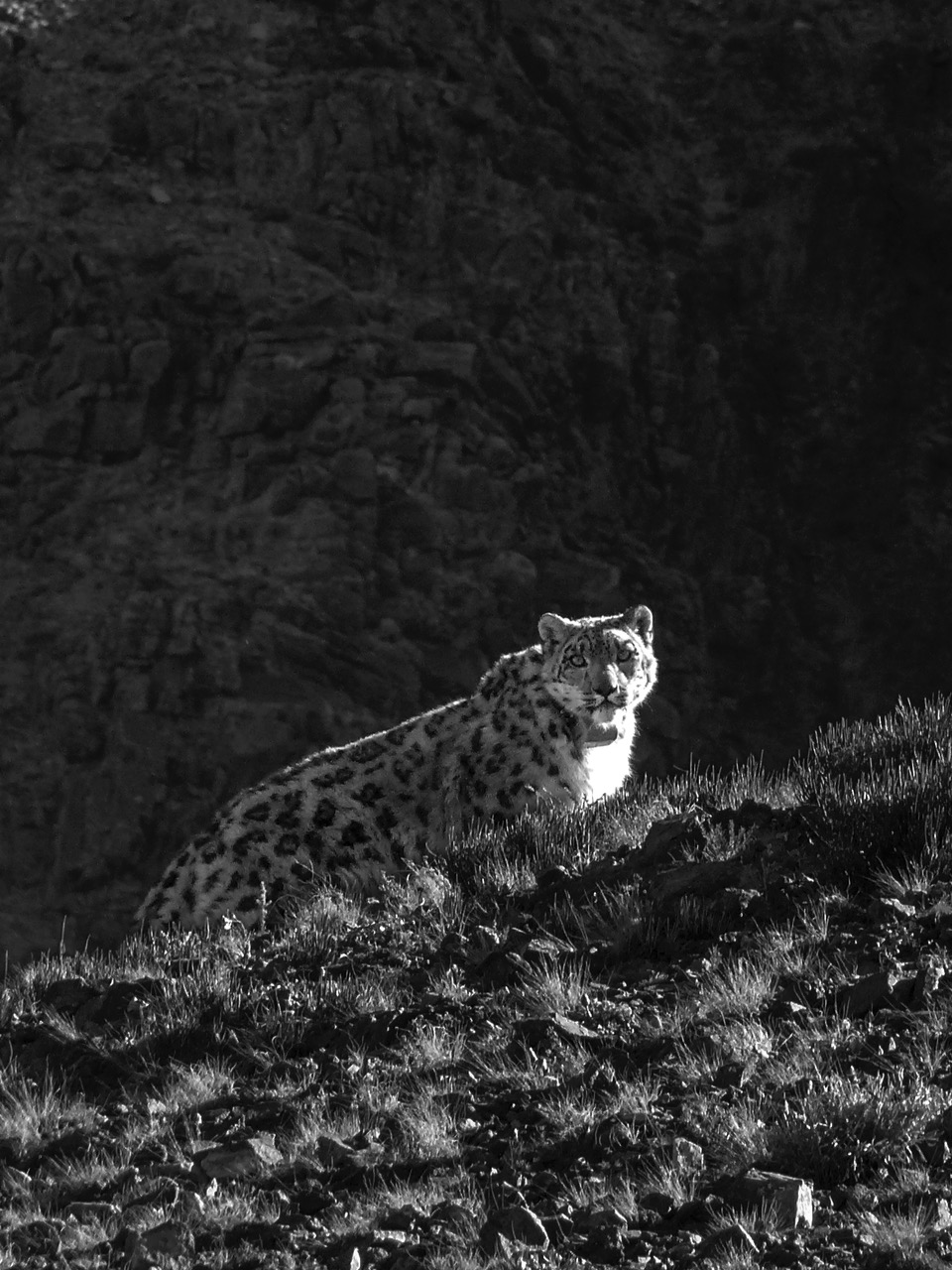
How have you honed your writing skills?

I came from a small town, and my window to the world was through books and libraries. When you're spending that much time with books, I think you assume you're going to write one.

I was never a bright student in school, but in eighth grade I wrote an essay, and somebody copied it. I was asked to present myself in the principal's office, because the principal wanted to figure out who copied who. When it turned out I was the writer, they were surprised. That was the first hint that I could write.

What is next for you?

I'll continue working on snow leopards and other carnivores. In my home state of Maharashtra, tigers have killed over 100 people in the last 10 years. I'm trying to find ways of writing about tigers which are not polarizing or romanticizing, but that help people appreciate why we need to have tigers. How can we live with them without one of us killing the other? My grandfather shot the last tiger in our region. In some ways, it defined the rest of his life and the early part of my life. Now tigers are walking back into this landscape. I'm interested in how they shaped my family's history. --Jaclyn Fulwood


Book Candy
Rediscover

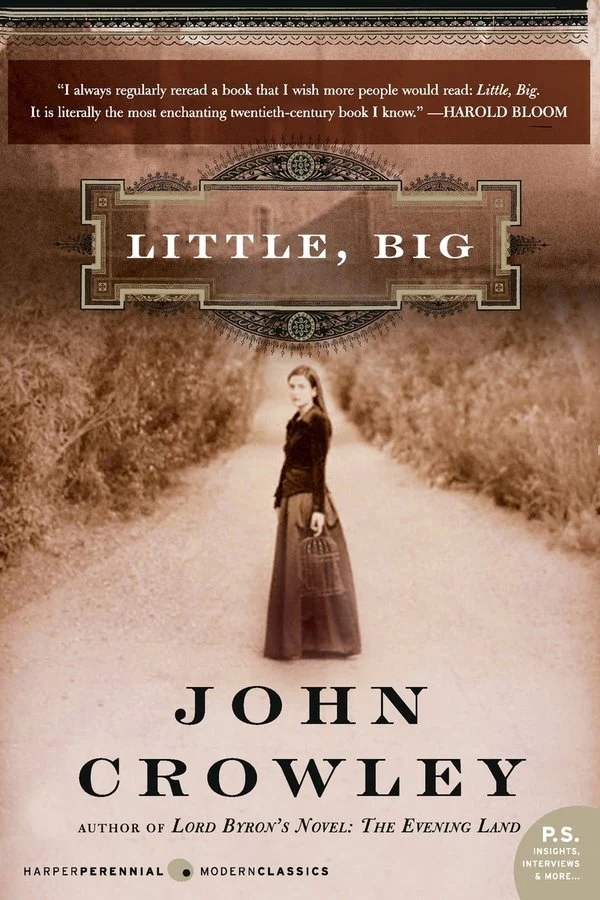
John Crowley, an author of "sweeping fantastical narratives whose ability to blend such disparate material as American history, dreams of lost utopias and Alice in Wonderland-tinged occult allowed him to transcend the fantasy genre in novels like Little, Big," died August 8 at age 83, the New York Times reported. Crowley's 14 novels and 10 volumes of essays and short fiction "explored a considerable range of subjects and genres."

Rediscover

Rediscover: John Crowley

John Crowley, an author of "sweeping fantastical narratives whose ability to blend such disparate material as American history, dreams of lost utopias and Alice in Wonderland-tinged occult allowed him to transcend the fantasy genre in novels like Little, Big," died August 8 at age 83, the New York Times reported.
Crowley's 14 novels and 10 volumes of essays and short fiction "explored a considerable range of subjects and genres," the Times noted. His first novel, The Deep (1975), "was set on a disc-shaped world and involved a war between two factions, the Reds and the Blacks, loosely based on the 15th-century War of the Roses in England.... Even his most straightforward, realistic novel, Four Freedoms (2009), about the workers at an airplane factory in Oklahoma during World War II, is an alternative history of the home front."

In 2000, in the Washington Post, critic Michael Dirda described Crowley as "arguably the most original and accomplished American fantasy writer ever."

Crowley was "consistently interested in the way that narrative shapes perception; in the sometimes murky line between fantasy and reality," as well as "the possibility, as he wrote in his 1987 novel, Aegypt (eventually republished as The Solitudes), that 'there is more than one history of the world,' " the Times observed. 

His fourth novel, Little, Big, was his best-known work. Poet James Merrill, a fan of the novel, arranged for Crowley to receive a grant from the Ingram Merrill Foundation, which Merrill directed. Ursula K. Le Guin said that the book "calls for a redefinition of fantasy," while Harold Bloom observed that it was "literally the most enchanting 20th-century book I know." It was named the best novel at the 1982 World Fantasy Awards.

In 2009, Crowley told the Believer magazine: "The kind of fiction that always interested me is stuff that somehow manages to be convincingly actual--in the sense that you believe that truths are being told about the world you live in--and are also somehow connected to the imaginary in some way."

His film scripts include The World of Tomorrow (1984), about the 1939 World's Fair, and, with his wife, Laurie Block, Fit: Episodes in the History of the Body (1991), about American fitness culture.

As a lecturer at Yale, the Times wrote, he "insisted to his students and readers that fantasy was, at its heart, no different from any other genre, and could achieve greatness if it followed the rules of literature."

He told Locus magazine in 2010: "To actually articulate a way of being in a literary world without boundaries between reality and fantasy--it can't just be a bunch of craziness and surreal carrying on.... Fantasy fiction at bottom, or at its best, is about making true fictions by the rules, in worlds you make up out of whole cloth, or out of your heart."

Powered by: Xtenit