Latest News
Holiday House: Airrelle of the Maroon Witches by Sumayyah Beck
July 17, 2026
WHAT TO READ NEXT: REVIEWS OF GREAT BOOKS

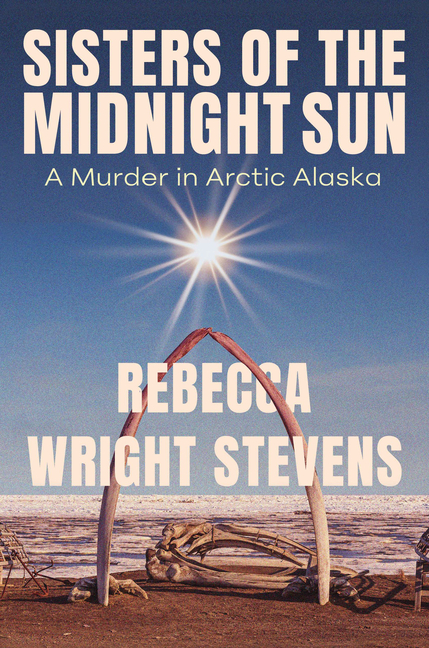
There's an undeniable allure to nonfiction that situates a riveting true story within a pulsating sense of place. Sisters of the Midnight Sun by Rebecca Wright Stevens, for one, depicts the "unwavering beauty" of the Alaskan summer as the setting for "a crime as chilling as the permafrost." The defense attorney's atmospheric, expertly crafted memoir details a tense double-murder trial and its complex impact on the local community during a season when the sun never sets. Similarly, American Alt by Chris Lockhart gambols about the forests, mountains, and streams of Washington State as he helps an old friend piece together shadowy memories, scrambled as they are by schizophrenia and dissociative identity disorder. A sobering case study of mental illness as well as an astonishing portrait of enduring friendship, it's a literary gem that made me want to stand up and applaud when I finished.

--Dave Wheeler, senior editor, Shelf Awareness
FEATURED TITLES
Cover

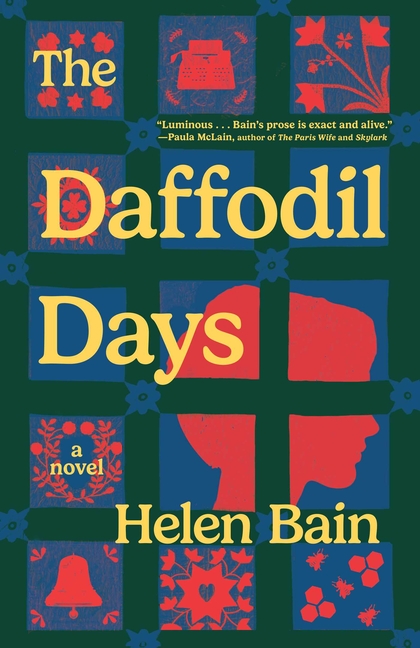
The Daffodil Days

Helen Bain

Helen Bain's remarkable debut novel builds a compassionate portrait of Sylvia Plath through interactions with friends and southwest England acquaintances in the last year and a half of her life.

The Daffodil Days

Helen Bain

Scribner | $28 | 9781668208588

Helen Bain's remarkable debut novel, The Daffodil Days, builds a slantwise biographical portrait of Sylvia Plath through her interactions with friends and acquaintances in the last years of her life.

Like linked short stories, the 16 chapters adopt the points-of-view of various secondary characters (e.g., Plath's housekeeper, riding teacher, and brother), but the kernel of each is an encounter with Plath or a memory that illuminates her personality and state of mind. Writer Al Alvarez visits her tranquil southwest England home and comments on her development as a poet. Dr. Webb fears for her mental health when she cuts her thumb slicing onions. Even fleeting small-town connections--with church-bell ringers, tile layers, and a washing-machine salesman--are opportunities for close third-person observation. Plath comes across as stubborn and assertive ("all or nothing," her midwife describes her) yet shaky; she irks some and inspires compassion and protectiveness in others. Exchanges also reveal the social realities of 1961-62: a dress-shop salesgirl admires Plath's impulsive independence; a BBC staffer's unplanned pregnancy echoes Plath's ambivalence about motherhood.

The vignettes proceed backward through the book's 17-month span: a determined metaphorical move from resignation to optimism. The focus is therefore not on the end of Plath's life but on the full flow of her genius. Her garden's profuse daffodils symbolize beauty and productiveness--and the promise of a final spring that never came. Bain's refined prose, reminiscent of Tessa Hadley's and Andrew Miller's works, burnishes a skillfully structured, multiperspective story that reminds readers how much Plath's literary brilliance has been missed. --Rebecca Foster, freelance reviewer, proofreader, and blogger at Bookish Beck

Cover

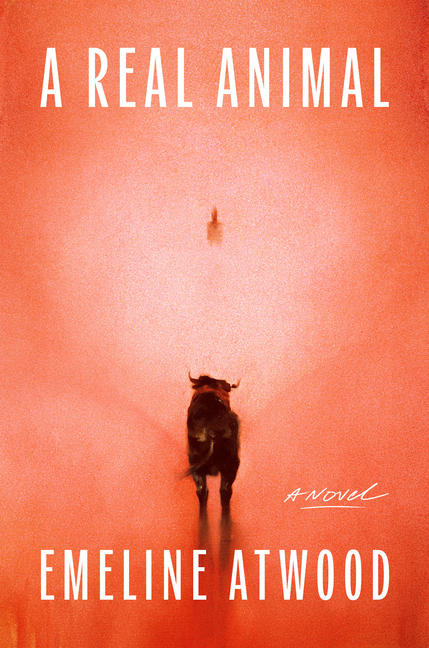
A Real Animal

Emeline Atwood

This remarkable debut coming-of-age novel explores the impact of trauma on one woman's journey through her 20s.

A Real Animal

Emeline Atwood

Catapult | $29 | 9781646222964

Emeline Atwood's debut is an ethereal, anxious coming-of-age novel that captures the relationship between unease and conviction for one woman in her 20s. After experiencing a sexual assault, college senior Lucy wakes one morning and scales a tree, convinced she's a leopard. Once she returns to herself, her mother takes her back to her childhood home, where their hot-and-cold relationship spurs a total upheaval. Lucy dumps her boyfriend, changes cities, and falls into an isolating and abusive relationship with a man named Ellis. While traveling with him, Lucy learns to scuba dive and finds relief from her persistent, trauma-induced pain. She unearths her power in the underwater expanse ("The calm black water around me was resolving an emptiness in my body.... I'd always suspected that such a state could exist again") and draws on it to make her escape. Lucy again changes jobs, states, and partners, and her next few years are marked by as much self-sabotage as happiness, until she is ultimately left reckoning with the actuality of the future and the wildness that lies within herself.

For all its strangeness, A Real Animal is eminently relatable in its poignant portrayal of the decade between 20 and 30 years of age, a period that feels endless and temporal, when one is confronting the mundanity and magic of the world. In Atwood's capable hands, readers will recognize Lucy's search for safety and meaning, and the appeal of a new reality as a way to not only cope with trauma but also confront the very nature of truth and womanhood. This remarkable, emotional novel announces an author to watch. --Kristen Coates, editor and freelance reviewer

Poisoned Pen Press: Cross My Heart, I Hope You Die by Mallory Arnold
Cover

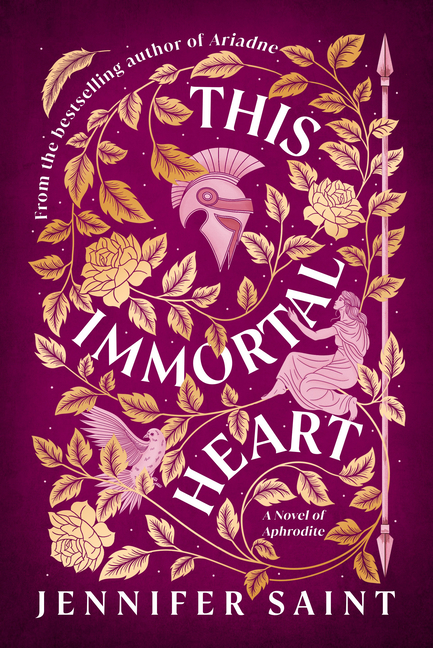
This Immortal Heart

Jennifer Saint

Aphrodite, the ancient Greek goddess of love, takes center stage in this passionate, spellbinding mythic fantasy.

This Immortal Heart

Jennifer Saint

Ballantine | $30 | 9798217092307

The ancient Greek goddess of love tells her story over the course of several mortal lifetimes in the ardent, spellbinding mythic fantasy This Immortal Heart by Jennifer Saint (Hera; Ariadne).

Aphrodite can hear the secrets of mortal hearts, "every tentative hope, every forbidden want, every fragmented gasp of passion, and to [her] they are poetry." Her role on Mount Olympus is to grant the prayers of lovers, and she takes her duties and followers seriously. Life on Olympus is a political minefield of feuds and alliances presided over by egomaniacal Zeus, who schemes against his enemies and demands absolute loyalty. Aphrodite treads carefully, but events pull her into the orbit of Ares, the proud, unyielding war god. The realms of love and war seem irreconcilable to her, but their undeniable passion erupts into an all-consuming affair. Then Aphrodite becomes ensnared in a power struggle on Olympus and must choose between her honor or her love, her loyalty or herself.

Saint strings together the stories of Pandora, Galatea and Pygmalion, and many others to form the narrative of a goddess who stands for her values and wants to leave her mark on the world. While other retellings have leaned heavily into the "Beauty and the Beast"-esque aspect of Aphrodite's marriage to Hephaestus, Saint takes a more nuanced approach to that relationship while giving Ares his full due as the goddess's truest love. Plenty of luxuriant poetic imagery winds through this respectful and thought-provoking portrayal of one of mythology's most famous and captivating figures. --Jaclyn Fulwood, blogger at Infinite Reads

Cover

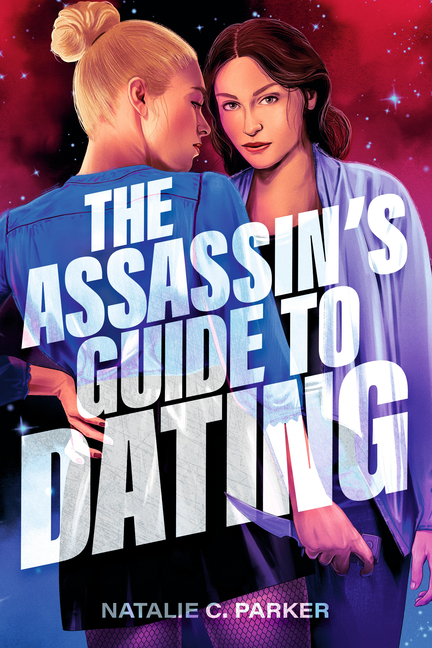
The Assassin's Guide to Dating

Natalie C. Parker

A teen with the ability to explode fights injustices and tries to plan a date that won't get interrupted by her enemies in this electric sequel to The Assassin's Guide to Babysitting.

The Assassin's Guide to Dating

Natalie C. Parker

Candlewick Press | $12.99 | 9781536243291

Lila Morgan, who wants one uninterrupted date with her girlfriend, Tru, must clap back against her oppressive employer and outwit a ruthless crime boss in The Assassin's Guide to Dating, the splashy, superpowered sequel to the YA thriller The Assassin's Guide to Babysitting by Natalie C. Parker.

Underhill is an underground organization responsible for keeping individuals with superpowers ("talents") in line. Two months ago, a bombshell (a person with explosive powers) tried to destroy Underhill--and nearly succeeded. Now, all of the organization's bombshells must wear a trackable pulse monitor to make sure they don't get "volatile." Under this "police-state" surveillance, bombshell Lila, her sister, Sage, and her talented friends--Tru, a bastion (invincibility), Amethyst, a wingtip (super-speed), and Embry, a strongarm (super-strength)--investigate a new threat: Anderson Flynn, Kingpin of the West, is perilously keen on finding Logan Dire, Tru's father. Lila knows Tru is Flynn's best chance of luring Logan out of hiding. To protect her, Lila will have to let loose the bombshell ability straining within, but doing so would justify the fear that has been weaponized against her.

Parker ups the tempo of her exhilarating series through a remarkably clever and selfless teen whose combustible superpower thrums within her. Interspersed flashbacks of Lila's past "explosions" smartly demonstrate how living according to "the whims and fears of others" led her to distrust herself and avoid taking up space. This setup lets readers root for Lila's loving romance with Tru and ache for them when their dates are crashed by bounties or battles. This unrelenting wallop of a sequel brings in new enemies, a dearly loved assassin dad, and lots of superpowered ass-kicking. --Samantha Zaboski, freelance editor and reviewer

Post Hill Press: The Education of a Senator: From JFK to Trump by Lamar Alexander
BOOK REVIEWS
A woman finds love and danger on an island adrift in time in this eerie, dreamlike, speculative love story.

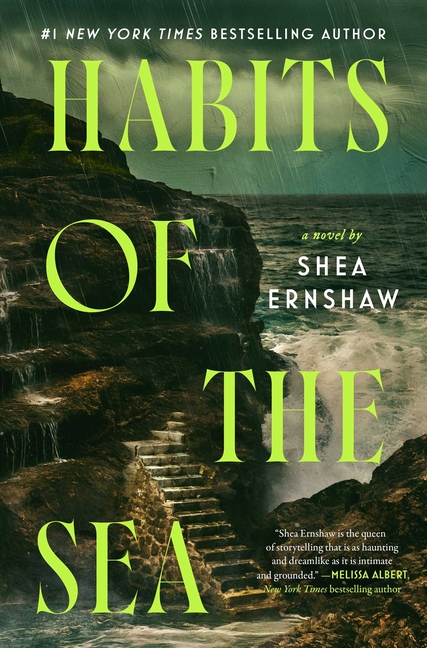
Habits of the Sea

Shea Ernshaw

Atria | $28 | 9781668097731

In the eerie, dreamlike speculative love story Habits of the Sea by Shea Ernshaw (A History of Wild Places), a woman encounters a fabled floating island and the enigmatic, ageless man who lives there.

Ellie has built herself a stable, predictable adult life after a childhood characterized by upheaval. Her mother sent her to stay with her grandmother in Nova Scotia and never reclaimed her. At age 12, Ellie took her Nana's boat into a storm and found the mythical floating island of Saltwell. When she returned to the mainland, she learned that she had been missing for a week. Now grown, Ellie works as a therapist in Seattle and has just received a marriage proposal from her handsome, reliable boyfriend, James. Everything is falling into place, but "when I close my eyes, I see the ocean." Then Saltwell reappears near the Faroe Islands, and Ellie gives in to the impulse to go there and prove once and for all whether the island exists.

She finds the island just as she remembers it, complete with one lonely house inhabited by the solitary Scotsman Clay Lockhart, who hasn't aged a day since she last saw him. The island drifts back out to sea before Ellie can return to the mainland. Then there's Clay, taciturn yet compelling, who rouses feelings in Ellie that James never could. She will have to make an almost impossible choice between a safe life and truly living. Ernshaw's intimate gothic drama plays out against a dangerous yet beautiful setting. This love story has grit, complexity, and a core of darkness under a patina of wildness and freedom. --Jaclyn Fulwood, blogger at Infinite Reads

Sigrid Nunez's collected short stories exhibit her trademark compassion, with encounters between family members and strangers alike lending opportunities for connection.

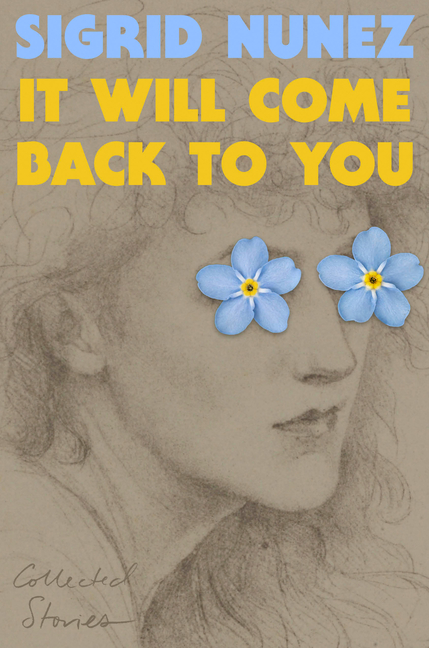
It Will Come Back to You: Collected Stories

Sigrid Nunez

Riverhead | $29 | 9798217179152

In It Will Come Back to You, Sigrid Nunez's wry, incisive 11th work (and first story collection), aging characters navigate volatile relationships and ponder memory and family legacies. All 13 stories originally appeared in literary magazines such as Harper's and the New Yorker.

Nunez (The Friend; The Vulnerables) has been deservedly lauded for her compassionate autofiction. A passenger is stranded in inhospitable circumstances in "Airport Story." Jury service unearths uncomfortable memories of an affair in "The Naked Juror." And in "Greensleeves," a woman laments her schizophrenic brother's behavior to a therapist, whose daughter is consumed by eco-anxiety.

Interest in other lives fuels epiphanies. Between college and law school, Phoebe lives in a crummy apartment building mostly occupied by immigrants; she wonders if her neighbor could be a sex worker in "Curiosity." Adolescent Elsie's impulsivity catches up with her in "Imagination" when she storms out of the farewell-to-summer party at her parents' country house, breaks her ankle, and startles a fox. The story ends on a delicious note of uncertainty.

Nostalgia and regret vie for position. The title story offers a melancholy end to the book as the narrator accepts hearing loss and interrogates her memories of her mother figure, 89-year-old "Aunt" Gilda. There are flashes of humor, too--chiefly in "It's All Good," in which a brother and sister hire a Brad Pitt impersonator to entertain their mother, who has dementia, at a Chinese restaurant.

Comparable to works by Elizabeth Strout and Deborah Levy, It Will Come Back to You is a captivating collection that resonates with themes of human vulnerability, memory triggers, generational patterns, and facing shame and bitterness. --Rebecca Foster, freelance reviewer, proofreader, and blogger at Bookish Beck

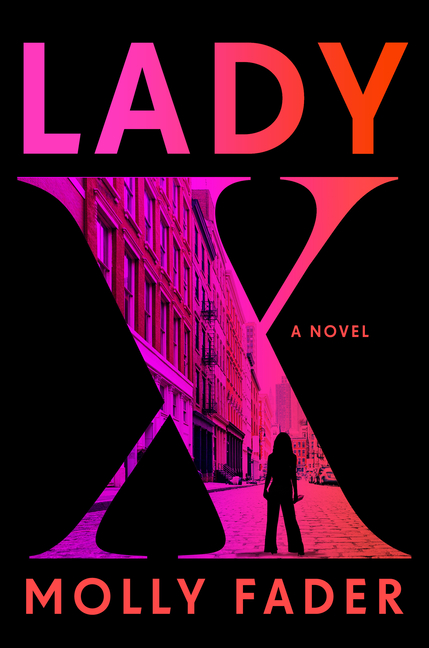
Lady X combines the coalition-building of a protest with the can't-look-away shock of a fight, and the result is a defiantly feminist celebration of sisterhood, found family, and resistance.

Lady X

Molly Fader

Ballantine | $30 | 9780593983669

Lady X by Molly Fader combines the coalition-building spirit of a protest with the adrenaline and can't-look-away shock of a fight, and the result is a defiantly feminist novel celebrating the powerful bonds of sisterhood, found family, and resistance. The narrative alternates between 2024, when Margot's perfect life is unraveling, and the sweltering summer of 1977, when both serial killer Son of Sam and "Lady X, mysterious feminist icon and violent vigilante" are terrorizing New York City. The earlier timeline explains how Lady X came to be, the women who became her family, and the reasons behind her destructive activism. Fader keeps the connection between these two points taut, gradually building the tension as Margot struggles against public disgrace and with newspaper clippings that suggest there's more to her mother than she knew.

Ever since the one-two punch of discovering her movie star husband Jack's wildly inappropriate indiscretions and the possibility of her mother's secret past, Margot has been sad: for herself and her kids, for the young women Jack preyed upon, for her once-unstoppable mom, who's withering in a care facility after the car crash that killed Margot's dad. Her sister, Julia, understands until she doesn't, pushing Margot to feel something more: "I love you, Margot. But when the fuck are you going to get angry?" Lady X depicts what happens when women who have been hurt, belittled, attacked, raped, or betrayed get angry. It invites women everywhere to get mad and to put that anger to work fighting back, reminding them that "any of us can be Lady X." --Sara Beth West, freelance reviewer and librarian

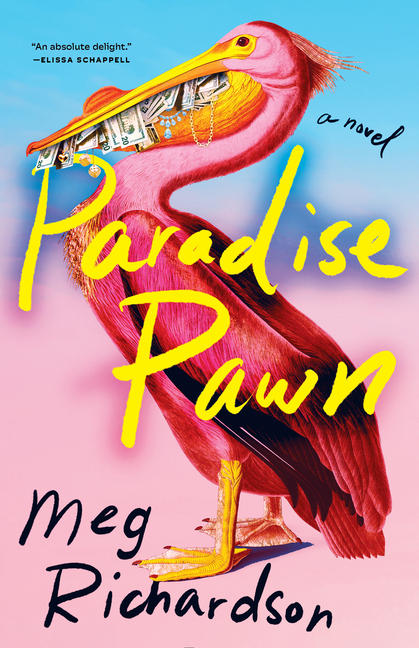
Fourteen-year-old Jackie wrestles with puberty, class, and friendship in this quirky, moving first novel.

Paradise Pawn

Meg Richardson

Tin House | $18 | 9781963108736

Meg Richardson's first novel, Paradise Pawn, tackles a poignant coming-of-age in a colorful community. Jackie and her best friend, Kayla, have grown up side by side, working with their fathers in a pawn shop in Cherry Beach, Fla. They are adept at sales, bargaining, and assessing customer psychology. The challenges of growing up, however, prove more daunting.

The girls have always been inseparable, but now, at 14, their differences begin to make themselves apparent. Kayla is maturing more quickly, physically and otherwise, and Jackie fears being left behind; Kayla embraces or at least accepts change, whereas Jackie wishes she could freeze them both in time. The complications of being a 14-year-old girl are myriad: bodies, periods, shaving, sex, evolving friendships, new schools.

Class differences are becoming increasingly obvious, too. Poised to start high school, the girls plan to attend the exclusive St. Bridget's, for which Jackie's dad will take out a loan against his truck. When Kayla's scholarship doesn't come through, the girls hatch a plan. Paradise Pawn, which has been their home base all their lives, will either prove their salvation or their downfall.

Jackie is pulled in all directions at the cusp of girlhood. For all her naivete, she is compassionate and wise to the ways of humans. Richardson expertly portrays a Florida beach community in which the very rich live alongside the struggling, under stifling heat and a relentless pressure to appear cool and beautiful. Paradise Pawn captures the sweetness of female friendships and familial love, the pain of change and growth, and the absolute yearning of youth. This debut novel is funny, heartbreaking, and unforgettable. --Julia Kastner, blogger at pagesofjulia

W. W. Norton & Company: Astronaut! by Oana Aristide
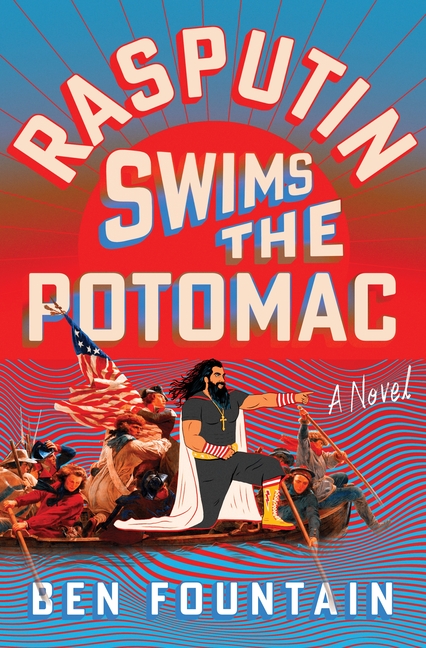
In Ben Fountain's satire, a president running for a third term contends with a nationwide outbreak of weeping and hopes a pro wrestler with healing powers can help his campaign.

Rasputin Swims the Potomac

Ben Fountain

Flatiron Books | $29.99 | 9781250776549

A con artist with no political experience convinces people that he cares about them and is divinely chosen to lead. What could go wrong? For those who don't know the answer, Ben Fountain (Billy Lynn's Long Halftime Walk) makes it clear in his therapeutically brittle satire Rasputin Swims the Potomac. The Supreme Court has ruled that the president of the United States, "a born-rich brat, a New York City real estate developer"--whose name is redacted throughout the novel--can serve a third term. He's in a chipper mood until, as reported by Clarence Thomas Jr. (no relation), a Black journalist for the Dallas Daily news site, attendees at the president's South Carolina rally start wailing in the country's "latest outbreak of the so-called weeping sickness." This looks bad on TV.

What's an image-conscious president to do? Luckily for him, a pro wrestler named Rasputin is about to win a bout when fans in attendance begin weeping, whereupon he places his hands upon them and cures them. Rasputin claims he really is the Russian monk murdered in 1916. Never mind that he was born Patrick Walsh Strickland in Buffalo, N.Y., and was a Green Beret. The president still chooses him to be his new running mate. Add Faith Spack, a 26-year-old aide who starred on the reality show Nashville Next Gen and whose pious mom had her out of wedlock after an affair with a billionaire, and the result is a delicious picaresque. Nothing can top the venality of its source material, but this is a hilarious and effervescent lampoon. --Michael Magras, freelance book reviewer

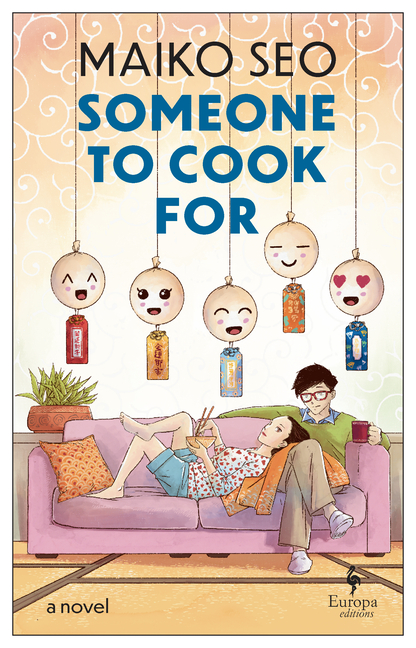
Maiko Seo's first novel published in the U.S. is the heartwarming story of how a single child ends up with multiple parents who each want to love her as best as they can.

Someone to Cook For

Maiko Seo, trans. by Laurel Taylor

Europa Editions | $18 | 9798889661931

The premise of Maiko Seo's first novel published in the U.S., the poignant Someone to Cook For, might initially seem disheartening: for most of her young life, Yuko shuffles through numerous households and parents. And yet Seo, with charming translation from the Japanese by Laurel Taylor, creates a heartwarming story of found and chosen family overflowing with unconditional love.

By 17, Yuko "had three fathers and two mothers." With sweet indulgence and grandparental assistance, Yuko's birth father raised her after losing her mother when Yuko was two. Eight-year-old Yuko welcomes wonderful new mother Rika. Two years later, Yuko chooses the familiarity of staying in Japan with Rika when her father is transferred to Brazil. Yuko's longing for a piano prompts Rika to find her a new father: wealthy, gentle Mr. Izumigahara. But marriage stifles Rika and she leaves Yuko in comfort and safety, then reclaims her when she takes another husband. Devoted Mr. Morimiya becomes Yuko's third and final father. When Yuko becomes engaged, however, Morimiya won't accept her formerly peripatetic fiancé, prompting the couple to reconnect with her previous parents, hoping they will help in securing Morimiya's approval.

Although "the makeup of [Yuko's] family had changed seven times over [her] lifetime," she always believed "all of [her] parents had tried their best--more than they needed to really--to connect with [her] and be the best parents they could be." Seo gifts Yuko with profound strength and kindness, while poignantly, eventually revealing the parents' various well-intentioned reasons for what appears to be abandonment. Seo writes with unguarded, convincing clarity, inspiring considerable empathy for each member of Yuko's unconventionally committed family. --Terry Hong

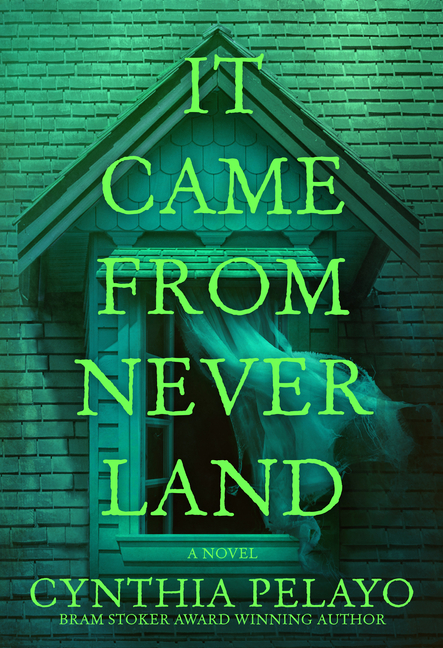
Lost children, abused trust, and the boy who never grows up set the stage for a young woman to face the horrors of her childhood in this novel with profound emotional depth.

It Came from Neverland

Cynthia Pelayo

Crooked Lane Books | $19.99 | 9798892424455

In World War I-era England, a young woman confronts the horrors of her childhood that others tried to sanitize as children's stories and make-believe games in Cynthia Pelayo's It Came from Neverland, a dark reinterpretation of J.M. Barrie's Peter Pan.

None of the constables or doctors believed Wendy Darling when she told them what happened to the boys who have gone missing around London, so she was sent to Bedlam, a hospital for the mentally ill, then to Marigold House. Now grown, she works at Marigold teaching children orphaned in the war or whose parents can no longer support them. But Wendy still checks that the windows are locked, haunted by the memory of a being called Peter Pan. Then a student goes missing, and Wendy suspects that Peter has returned. Along with the brothers from whom she has been estranged, Wendy must face the past she was forced to deny.

In her reimagining of Peter Pan, Pelayo (Children of Chicago) fully embraces the sinister potential of the original, exploring the implications of what happens to Lost Boys when they grow up. Battles with pirates that sound like an adventure in a children's book become a waste of young life more pointless than anything in the trenches. This Peter leans hard into Barrie's description of children as "heartless," yet the heart-wrenching struggles of Wendy, both in flashbacks and her present, to reconcile her love of Peter and for the other children in her care, give this horror story profound emotional depth. --Kristen Allen-Vogel, information services librarian at Dayton Metro Library

Sisters of the Midnight Sun is a powerful exploration of the nature of justice and the Utqiagvik community.

Sisters of the Midnight Sun: A Murder in Arctic Alaska

Rebecca Wright Stevens

Counterpoint | $29 | 9781640097711

When the sun rises in the Arctic after having been gone for months, the effect is one of time blindness and disorientation. In Rebecca Wright Stevens's gripping legal thriller-memoir, Sisters of the Midnight Sun, this unwavering beauty became the staging ground for a crime as chilling as the permafrost. The bodies of two well-known sisters, Bernice and Wanda Ipalook, were discovered outside of Utqiagvik (formerly known as Barrow, Alaska), leading to more than a forensic puzzle for those drawn into the investigation.

The account follows Stevens's time as a tenacious defense attorney assigned to Amos Lane, who already had pending assault and theft charges. What began as a straightforward criminal case spiraled into a complex web of politics and historical trauma. Stevens skillfully sets the scene, detailing the claustrophobia of a town where everyone is a witness and no one is a stranger. Perhaps the most compelling attribute of Sisters of the Midnight Sun is Stevens's transparency regarding her relationship with the Arctic and its community. She mourned her limitations as a legal practitioner, even as her bonds with the people there deepened.

Sisters of the Midnight Sun is for readers who grew up on the razor-sharp courtroom dramas of Scott Turow or the high-stakes atmospheric tension of John Grisham, delivering an extra bite that feels like a bracing breath of sub-zero air. It provides the satisfaction of a legal thriller while serving as an insightful investigation into a territory those in the Lower 48 rarely see clearly. This is a haunting, expertly crafted reminder that the law is only as strong as the people who uphold it. --Elizabeth DeNoma, executive editor, DeNoma Literary Services, Seattle, Wash.

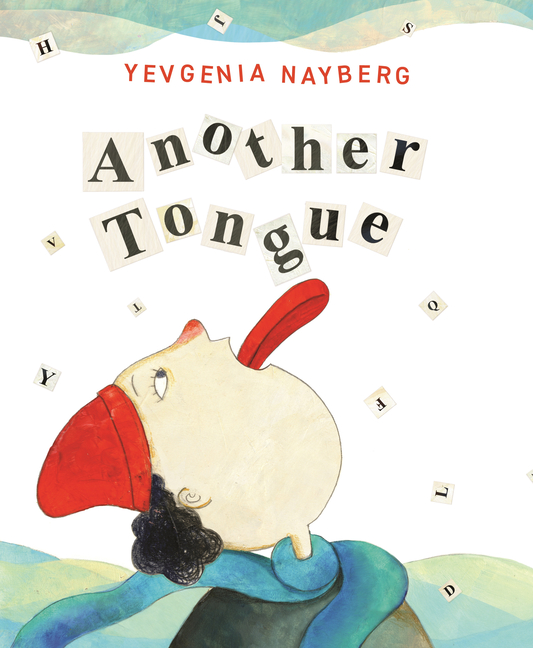
Another Tongue is an inventive picture book that captures the strange, funny, and deeply human experience of learning a new language.

Another Tongue

Yevgenia Nayberg

Neal Porter Books | $18.99 | 9780823459643

Another Tongue by Yevgenia Nayberg (A Party for Florine) is a witty and compassionate picture book that explores the disorienting experience of entering a country whose dominant language is unfamiliar. Nayberg, writing in a direct second-person voice, draws readers into the emotional and physical sensations of language acquisition. She opens with a playful literalization of the phrase "mother tongue": "This is your tongue. This is your mother's tongue" accompanies a double-page spread featuring a child and a parent sticking out their tongues.

Fine-lined mixed-media illustrations extend the text's humor. When Nayberg writes that the "new language may taste funny on your tongue," a child stretches outward to catch falling letters like snowflakes. Misheard words become visual jokes, including an unforgettable "Vampire State Building" complete with fangs. Throughout, the use of red energizes the spreads and guides the eye across pages filled with floating letters. Nayberg is empathetic when capturing the exhaustion, confusion, and gradual exhilaration of learning a new language. She shares the empowering realization that understanding two languages means becoming bilingual ("Which means someone with two tongues!") and capable of moving between worlds. Nayberg transforms the frustrations of language learning into a celebration of resilience, connection, and self-discovery. The result is a perceptive, tender articulation of an aspect of many immigrant experiences and a memorable picture book that invites readers to see language not as a barrier but as a bridge. --Julie Danielson

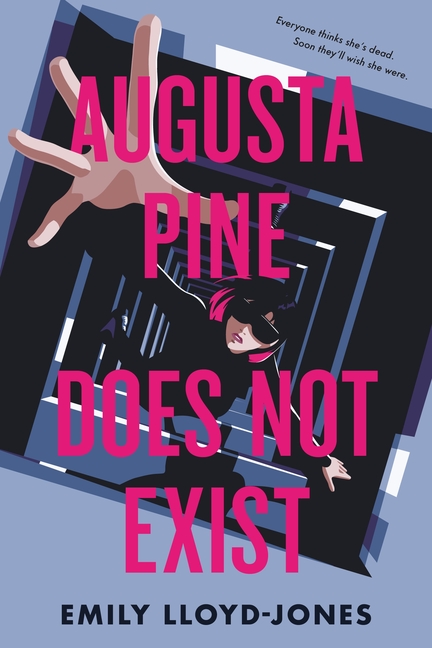
In this cyberpunk, Die Hard-style, high-stakes thriller, an 18-year-old hacker in the near future must face off against a group of cyberterrorists.

Augusta Pine Does Not Exist

Emily Lloyd-Jones

Balzer + Bray | $20.99 | 9781250410528

In this high-stakes, adrenaline-inducing thriller by Emily Lloyd-Jones (The Wild Huntress), an 18-year-old hacker in the near future must face off against a group of cyberterrorists.

A 15-year-old's hack goes fatally wrong and she's given a choice: face the consequences or be declared dead and work for the government under a new identity. Three years later, "Augusta Pine" is still working for the Identity Security Division as a wraith, an undercover agent who is able to "ghost through the world" as she helps the agency track down rampant identity fraud. Her only companions are her dry-witted adult handler, Prefect, and Edgar, an illegal sentient AI spybot in the form of a bumblebee. When her next assignment is in her home city, she jumps at the opportunity to stealthily check on her Nonna. However, a group of cyberterrorists takes over Nonna's building, demanding the return of valuable government intelligence--"Project Persephone"--and Augusta's new mission is to protect the asset (and Nonna) from the cyberterrorists at all costs.

Augusta Pine Does Not Exist thrusts readers into a pulse-pounding hostage crisis that is as emotionally gripping as it is action packed. Lloyd-Jones provides glimpses into Augusta's previous jobs by including snippets from a case-study file throughout, as well as transcripts from her current mission. These interstitials not only help with character development but also propel the story forward, acting as suspenseful breaks between moments of intense activity. This electrifying excitement pairs well with Lloyd-Jones's astute explorations of survivor's guilt, PTSD, socioeconomic disparity, and found family. This YA spy thriller is exhilarating and suspenseful. --Lana Barnes, freelance reviewer and proofreader

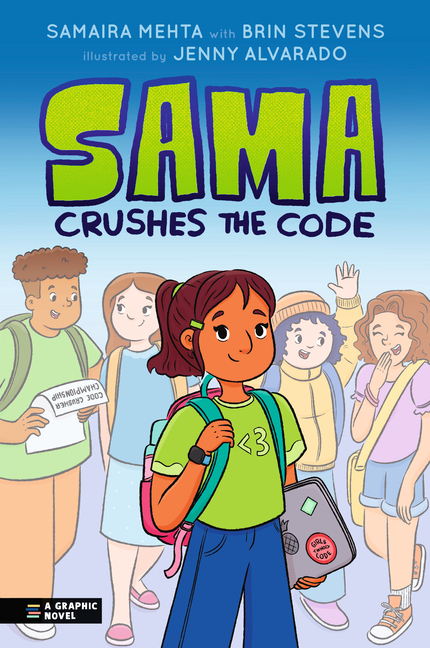
In this sweet and comforting middle-grade graphic novel, a tween girl who loves coding navigates fitting in while creatively solving local problems.

Sama Crushes the Code

Samaira Mehta and Brin Stevens, illus. by Jenny Alvarado

MIT Kids Press | $14.99 | 9781536252903

High school student and tech founder of CoderBunnyz, CoderMindz, and CoderMarz Samaira Mehta debuts with Sama Crushes the Code, an inspiring and inviting middle-grade graphic novel coauthored by Brin Stevens, with illustrations by Jenny Alvarado (Pencil & Eraser series).

Brown-skinned, round-eyed Sama loves coding and problem solving and is nervous about starting middle school ("I don't think they have recess in middle school.... Or lunch."). Although best friend Nancy assures her middle school has both recess and lunch, Sama isn't sure: "Without fresh air and food, how am I supposed to remember anything?" On her first day, Sama decides to join the Tech Club, "two-time Code Crusher regional runner up." Almost immediately, though, Sama realizes the other club members are much more experienced. As Sama faces changing friendships, feelings of exclusion, and repeated disappointments, she channels her creativity into projects that help her community, such as designing a more efficient route for her brother's bus driver and creating a board game that teaches children to code.

Sama Crushes the Code is a sweet, motivating, and highly comprehensible graphic novel. Mehta and Stevens include coding vocabulary and STEM concepts directly in the text, giving readers access to the coding content as Sama learns it herself. Alvarado's digital illustrations have a classic comics appeal through a clever use of white space, a thick outline, and gridded panels. The artwork captures emotion and leaves room to center the technical aspects of coding in a visually exciting manner that is easy to follow. Mehta and Stevens's text moves at a rapid pace and covers topics of inclusion, resilience, and self-confidence. --Natasha Harris, freelance reviewer

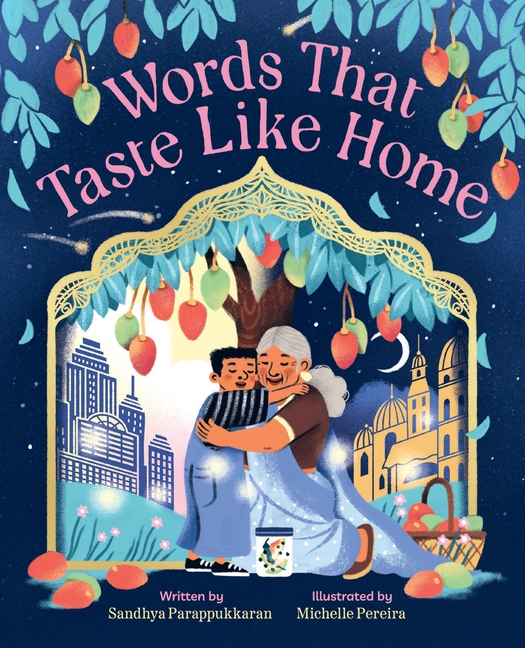
In the toothsome picture book Words That Taste Like Home, a young boy stays connected to his home country through food, language, and his beloved grandmother.

Words That Taste Like Home

Sandhya Parappukkaran, illus. by Michelle Pereira

Abrams Books for Young Readers | $18.99 | 9781419780684

Australia-based author and illustrator duo Sandhya Parappukkaran and Michelle Pereira (Stay for Dinner) reunite for their fourth picture book, Words That Taste Like Home, an encouraging celebration of multilingual backgrounds. Rohan is "born into a language that tickled his toes and kissed his cheeks." He has an especially close bond with Muthassi, his grandmother, with whom he shares stories while they make her irresistible mango pickle.

But one day, Rohan's parents announce the family will move "far away to a country where people [speak] a different language." Through tears, Rohan promises Muthassi he'll call every day, but, eventually, school, a puppy, and a new bike claim his attention. As he strengthens his new language, he begins to forget the exact words he wants to use to describe life to his grandmother, saddened he's "lost the words to tell Muthassi how the wind felt brushing against his cheeks" or what the puppy's "cute little paws" look like. When the family embarks on a visit to Muthassi, Rohan worries they won't be able to share their stories. But memories and love prove to be the perfect ingredients for reconnection.

Pereira's digital, storybook-style illustrations gorgeously capture Parappukkaran's lyrical, heartfelt narrative, which will undoubtedly resonate with diasporic communities. Her fully saturated colors enhance notable details throughout: Rohan's diverse classroom, chaotic airport luggage pickup, and Muthassi's lush gardens. Parappukkaran uses the mango pickle to restore communication as Rohan sprinkles their efforts with "poems and phrases" and seasons "with similes, metaphors, and alliteration." Words That Taste Like Home provides a tasty treat for readers. --Terry Hong

The Writer's Life

Steven Pfau is a writer and editor who lives in Los Angeles. His first book is Say Nephew: On Boyhood, Unclehood, and Queer Mentorship, an exploration of the mythology of gay uncles and the meaning of queer bonds across generations. Find out which legendary author-illustrator he thinks of as an honorary uncle and which essayist's collection prompted him to send a fan e-mail that evolved into an important instructive relationship.

The Writer's Life

Reading with... Steven Pfau

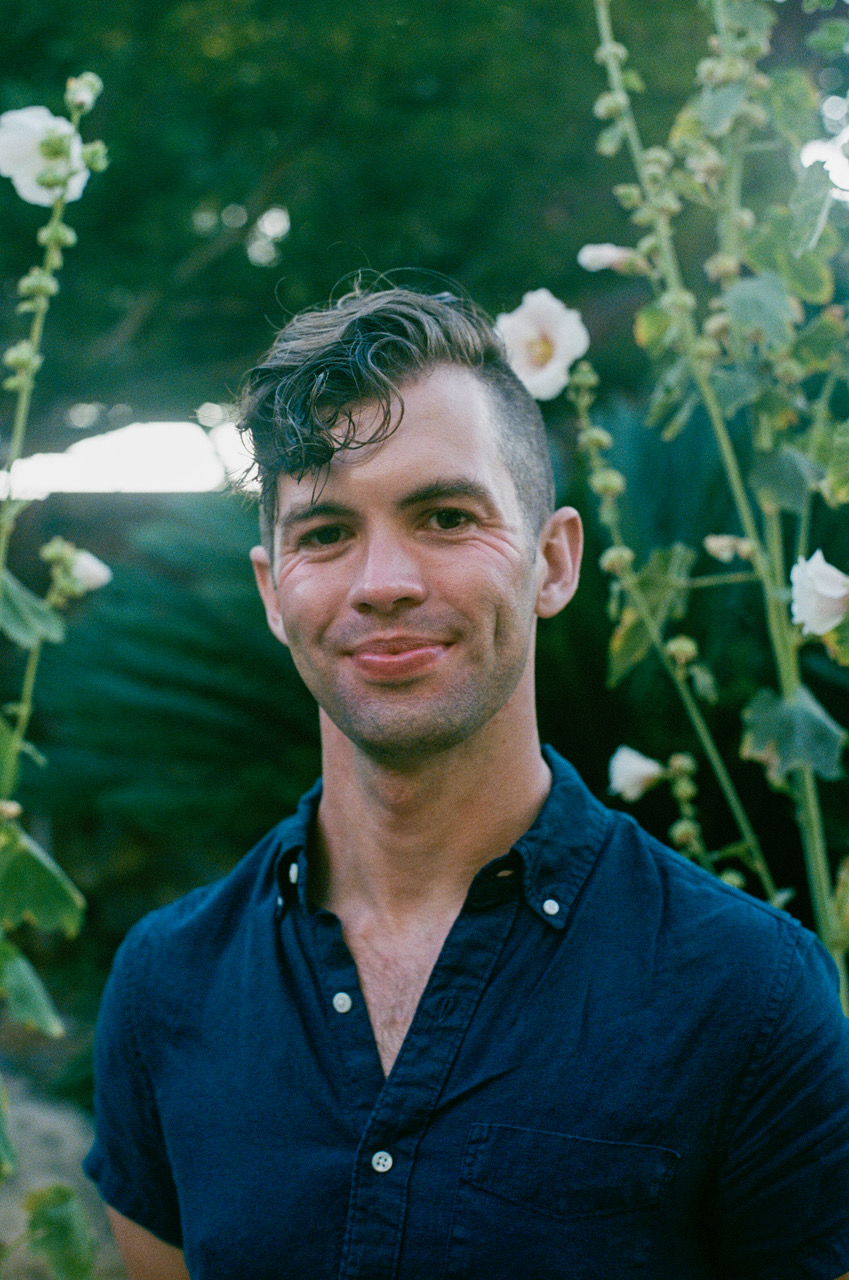
photo: Jack Manning

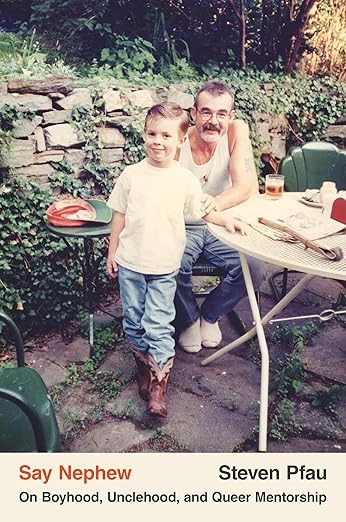
Steven Pfau is a writer and editor who lives in Los Angeles. His first book is Say Nephew: On Boyhood, Unclehood, and Queer Mentorship (Catapult, May 26, 2026), a profound and illuminating exploration of the mythology of gay uncles and the meaning of queer bonds across generations.

On your nightstand now:

I've been savoring the first four installments of Solvej Balle's seven-part novel, On the Calculation of Volume, which has reprogrammed my brain, reminding me to slow down and pay more attention to what can happen in a single day; I can't wait for the rest of the series. Also on my nightstand are some recent favorites I've loved: The Committee of Men by James Ciano, Field Guide to Falling Ill by Jonathan Gleason, Rogue Astronaut by Mitchell Jacobs, Mega Milk by Megan Milks, All the Possible Bodies by Iain Haley Pollock, Person Under by Paige Thomas, Bad Forecast by Steffan Triplett, and Woman House by Lauren W. Westerfield. And as an astrology nerd, I'm very excited to get a copy of Follow the Signs, Courtney Ann LaFaive's biography of Linda Goodman.

Your top five authors:

James Baldwin, Roland Barthes, Anne Carson, Annie Ernaux, and Thomas Renjilian.

Favorite book when you were a child:

My two favorites were Where the Wild Things Are and In the Night Kitchen, both by Maurice Sendak. I think I picked up on the queer-coded sensibility of Sendak's work long before either of us came out, and I've always thought of him as one of my honorary uncles.

Book you've faked reading:

Herman Melville's Moby-Dick is one of my favorite novels, but as much as I love it, I can't deny that some chapters are totally bewildering, and they make me want to toss the book across the room. I've read Moby-Dick from cover to cover a few times, so maybe this doesn't count, but sometimes I really feel like I have to fake it 'til I make it through certain passages.
Book you're an evangelist for:

I'm often singing the praises of Tamar Adler's An Everlasting Meal, a collection of gorgeous, instructive food writing inspired by M.F.K. Fisher. Whenever I feel like I don't have the time or space or money to make really good food, or whenever I can't figure out what to do with the limited ingredients and supplies in my kitchen, Adler encourages me to be more imaginative. Her cooking advice has also helped me become a more resourceful writer, but I admit that I'm especially grateful to Adler for teaching me how to poach an egg.

Book you've bought for the cover:

At the most recent AWP Bookfair, the cover (and title) of Jendi Reiter's collection Introvert Pervert caught my eye. I bought it right away, and I'm glad I did. It's full of kinky, transgressive, vulnerable, and often very funny poems that I'll be thinking about and rereading for a long time.

Favorite line from a book:

Amy Hempel writes some of the most startling, memorable sentences I've ever read, and it's hard to choose an all-time favorite; each one seems to contain a whole novel's worth of narrative. But today my favorite might be the opening of her story "The Harvest," from At the Gates of the Animal Kingdom: "The year I began to say vahz instead of vase, a man I barely knew nearly accidentally killed me." She could've dropped the mic and ended there, but instead Hempel keeps outdoing herself and forcing you to rethink everything you thought you knew about this story.

Book that changed your life:

Ten years ago, I bought a copy of Brian Blanchfield's essay collection, Proxies, at Unnameable Books in Brooklyn. As soon as I finished reading it, I knew I wanted to meet the author and learn how to do what he does in that book. I sent him a fan e-mail and asked if he would give me some feedback on a writing project I'd been thinking about, and he generously said yes. We stayed in touch, he joined the faculty of a creative writing M.F.A. program, I applied and became his student, and he taught me how to write what would become Say Nephew. Thank you, Brian, and thank you, whoever displayed that copy of Proxies in the Unnameable storefront back in April 2016!

Five books you'll never part with:

I'll never part with my three copies of The Story of Harold, a lost classic of queer fiction by Terry Andrews (the pen name of children's author George Selden, best known for the book The Cricket in Times Square). I have the first edition in hardcover, the trade paperback that Edward Gorey illustrated, and the mass-market copy that my uncle gave me--a gesture that became a sort of "inciting incident" in the writing of Say Nephew. If I can keep only two more, the fourth would be Matthew Stadler's Allan Stein, another favorite queer novel that's now out of print (and another book I write about in Say Nephew); the fifth would be my autographed and thoroughly annotated copy of Proxies. Many books are precious to me, but these are irreplaceable.

Book you most want to read again for the first time:

I first read Virginia Woolf's To the Lighthouse when I was 18, and I wish I could go back in time and newly discover the magic tricks that Woolf pulls off with prose style and point of view and narrative structure in that novel. Somehow she also made the book so multifaceted that it seems to shape-shift whenever I revisit it with fresh eyes so, in a way, every time feels like the first time.


Book Candy
Rediscover

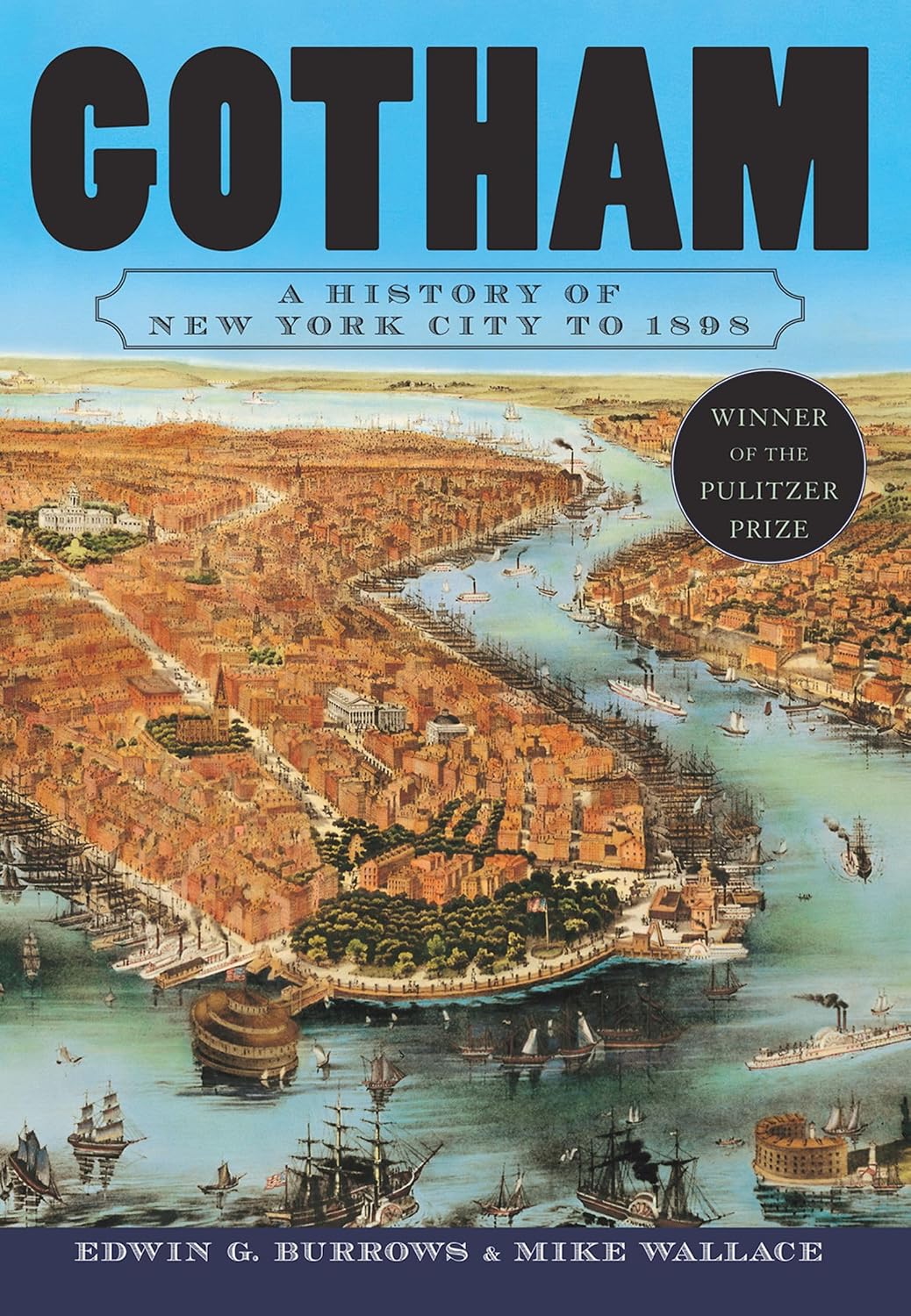
Mike Wallace, "a self-proclaimed radical historian whose magisterial, unvarnished biography of New York, Gotham (1998), written with Edwin G. Burrows, won the Pulitzer Prize and inspired two more door-stopper volumes about the city," died July 5 at age 83. Wallace and Burrows began their project in 1976 after receiving a $7,000 grant to write a book that would encompass the global transition from feudalism to capitalism.

Rediscover

Rediscover: Mike Wallace

Mike Wallace, "a self-proclaimed radical historian whose magisterial, unvarnished biography of New York, Gotham, written with Edwin G. Burrows, won the Pulitzer Prize and inspired two more door-stopper volumes about the city," died July 5 at age 83, the New York Times reported. 

Wallace, a pre-med student at Columbia in the 1960s, became radicalized in the years leading up to the 1968 student takeover of campus buildings to protest the Vietnam War. He "turned his studies to history, and came to define 'radical' as bottom-up social history that recognizes the profound influence of capitalism and of economic and social class distinctions and conflicts," the Times noted. 

Wallace and Burrows began their project in 1976 after receiving a $7,000 grant to write a book that would encompass the global transition from feudalism to capitalism. They eventually chose to write the story focusing on New York City over the course of 500 years.
Gotham: A History of New York City to 1898 (1998) was published to coincide with the centennial of Greater New York. In the book, which won the 1999 Pulitzer Prize for History, the co-authors "made a case that the consolidation of what became the five boroughs was a natural sequel by local government to what corporations had in the late 19th century recently accomplished to stifle competition through trusts and monopolies," the Times wrote.

"For all the big bankers and corporate executives' putative love of free markets," Wallace told the Times in 2017, "real capitalists of that era thought competition is lunatic. They have to cut wages, which leads to unionism, which has to be repressed, which leads to socialism."

The Pulitzer committee said, "The authors weave together diverse histories--of sex and sewer systems, finance and architecture, immigration and politics, poetry and crime--into a single narrative tapestry that reads like a fast-paced novel."

Wallace published two more volumes: Greater Gotham: A History of New York City From 1898 to 1919 (2017) and Gotham at War: A History of New York City From 1933 to 1945 (2025). He also wrote the collections Mickey Mouse History and Other Essays on American Memory (1996) and A New Deal for New York (2002). He and his wife, poet and playwright Carmen Boullosa, co-authored A Narco History: How the United States and Mexico Jointly Created the 'Mexican Drug War' (2015).

In addition to his teaching career, Wallace directed the Radical History Forum for about 10 years in the 1970s and 1980s; helped save the New-York Historical Society (now the New York Historical) from financial collapse in the 1990s; advised Ric Burns on his PBS series New York: A Documentary Film; and in 2000 founded the Gotham Center for New York City History at the City University Graduate Center.

Wallace observed that "historiography--the study of history--is, like history itself, a constant struggle, in part because most people are focused less on what came before than on what's next," the Times noted. 

"It's an American characteristic, to some degree," Wallace told Columbia College Today in 2020. "The past is the dustbin of history. It might be a source of amusing movies or interesting museum exhibits. But the action is in the future. Followed closely by the present."

Powered by: Xtenit